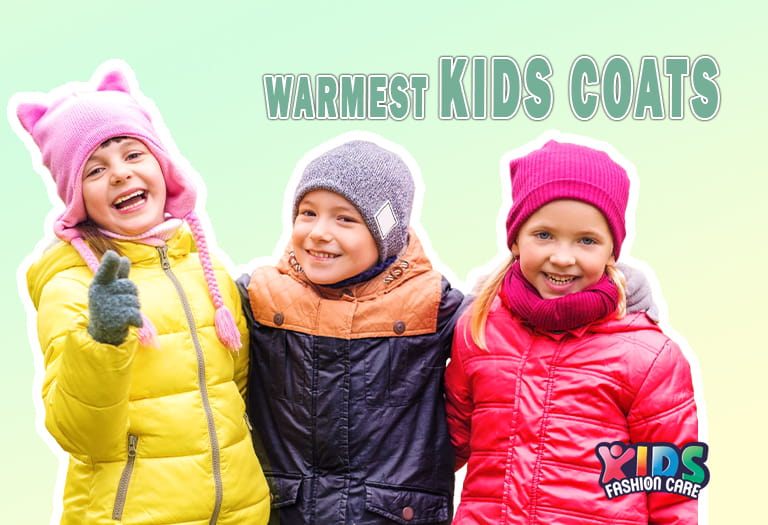

The warmest kids coats combine high-quality insulation, weatherproof outer shells, and smart design to keep children comfortable in cold, snowy, or windy weather. For maximum warmth, Down and synthetic-filled coats offer the best. Besides, waterproof materials, adjustable cuffs, and insulated hoods help kids stay warm for longer. Choosing the right coat depends on the climate, your child’s activity level, and fit to ensure comfort throughout the winter.
Table of Contents
As soon as winter arrives, any mom’s main concern is keeping the children warm. So, picking the right winter coat becomes every parent’s top priority. As a mom, I always believe that the right winter coat is not only for style but also for protecting your kids from cold winds, freezing temperatures, and seasonal illnesses. When choosing the warmest kids’ coats, I always ensure my child stays comfortable during school runs, outdoor play, and family outings. So in this guide, let’s explore my experience of what makes a coat truly warm, the best materials, and how to choose the perfect option for your child.
What Makes a Coat Truly Warm?
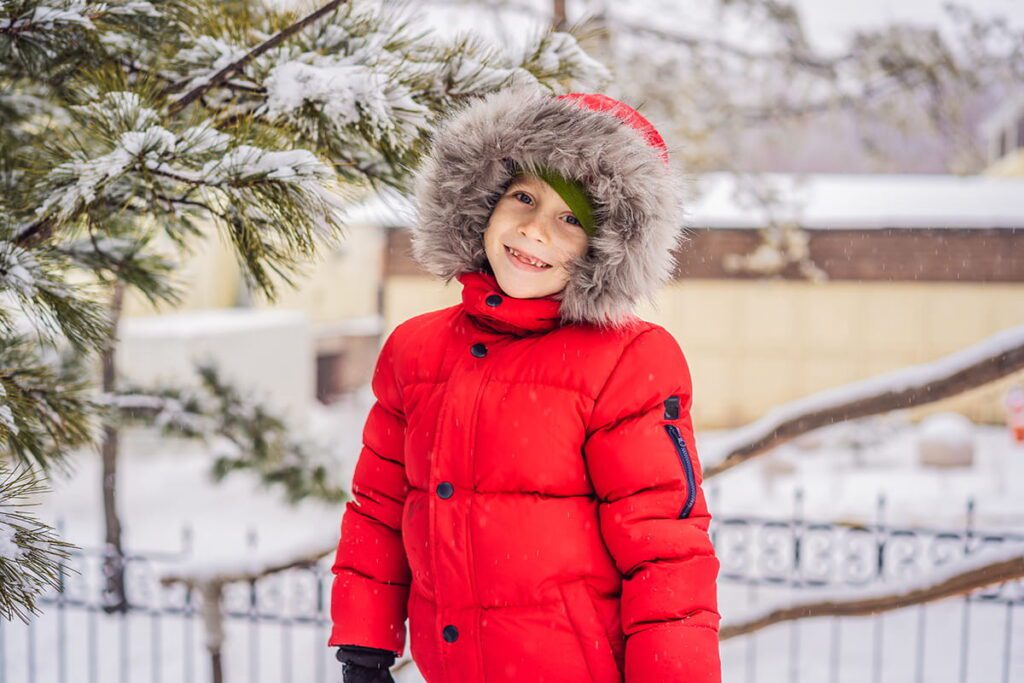
Not all winter coats provide the same level of warmth. It truly depends on some of the key facts that determine how effectively the coat is going to protect your child in cold weather. Let’s have a glance at those facts first,
Insulation
Insulation is how long the fabric is going to keep the body warmth in, and it’s the most important one. In terms of down insulation, it offers exceptional warmth as it traps the body heat effectively. However, in recent times, synthetic insulation has become quite popular for kids. It is easier to maintain and performs well even when it’s wet.
Fill power
Fill power mainly measures how fluffy the insulation is in any down coats. When the fill power is higher, it usually means that it will offer better warmth with less weight.
Outer shell fabric
Another fact that matters the most is the outer shell fabric of your coat. If the fabric is made of waterproof and windproof material, it is going to prevent cold air and moisture from penetrating the coat.
Moreover, some other facts like elastic cuffs, adjustable hoods, storm flaps over zippers, and fleece-lined interiors also help retain heat and block cold air. So, for better warmth, I always prefer to look for these small details as well.
Types of Warmest Kids Coats
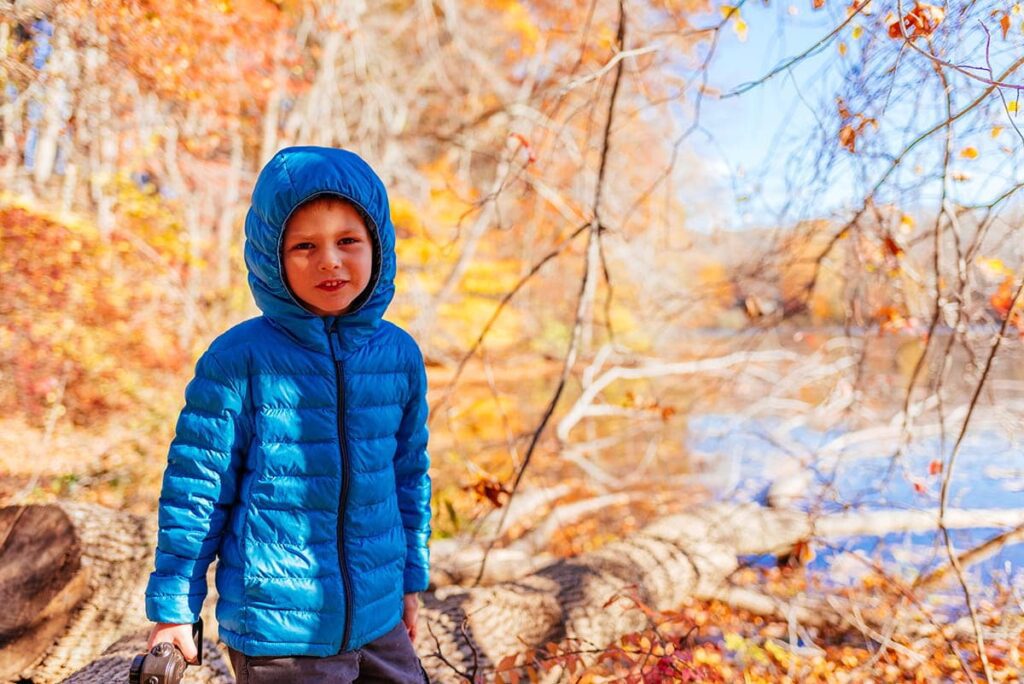
There are several types of kids’ coats out there, but the type you need depends on the weather in the area where you live. For example, if it snows or rains often, you should go for a waterproof one. On the other hand, if the weather is windy, windproof clothing is essential. So, based on that, let’s get an idea of some of the most popular types of kids’ coats.
Down Puffer Coats
Firstly, the widely popular coats are now down puffer coats. They are lightweight yet extremely warm. As a result, they keep your kid warm without letting them feel overdressed. I personally love these coats for my kids’ playdates and any outdoor activities. Though they are a bit pricey compared to other coats, I prefer at least having two in my kids’ winter wardrobe.
Heavyweight Parkas
These heavyweight parkas are mainly designed for snowy regions. Most of the designs are highly insulated and waterproof. Also, they come with a longer length than any other coats for extra coverage for your child. They mainly keep kids warm during snowstorms.
Wool Blend Coats
When it comes to dressing my little one in style and charm during mild winter, I always pick wool-blend coats. They offer moderate warmth along with a timeless, classic look. However, always keep in mind that they are not ideal for heavy snow days.
Fleece-Lined Jackets
Another comfortable and cozy option for moderate cold weather. It feels lightweight, stylish, and easily carryable to any events. My son absolutely loves his gray fleece-lined jackets for playschool, as it offers a light layer.
3-in-1 Winter Coats
These days, I find winter has more mood swings than my own kids. Yep, the temperature changes constantly, and every time my children complain about me making them over-layered. So, what I choose these days is the three-in-one winter coat as a versatile option. It comes with removable inner layers that you can easily adjust according to the temperatures around you.
Snowsuits & Thermal Coats
Roaming and enjoying snow activities are the best parts of winter holidays, right? So, what can be the best protection for your children? Well, snowsuits and thermal coats are the rescue. So, let your little angel enjoy the snowy days without getting ill.
Warmest Kids Coats by Age Group
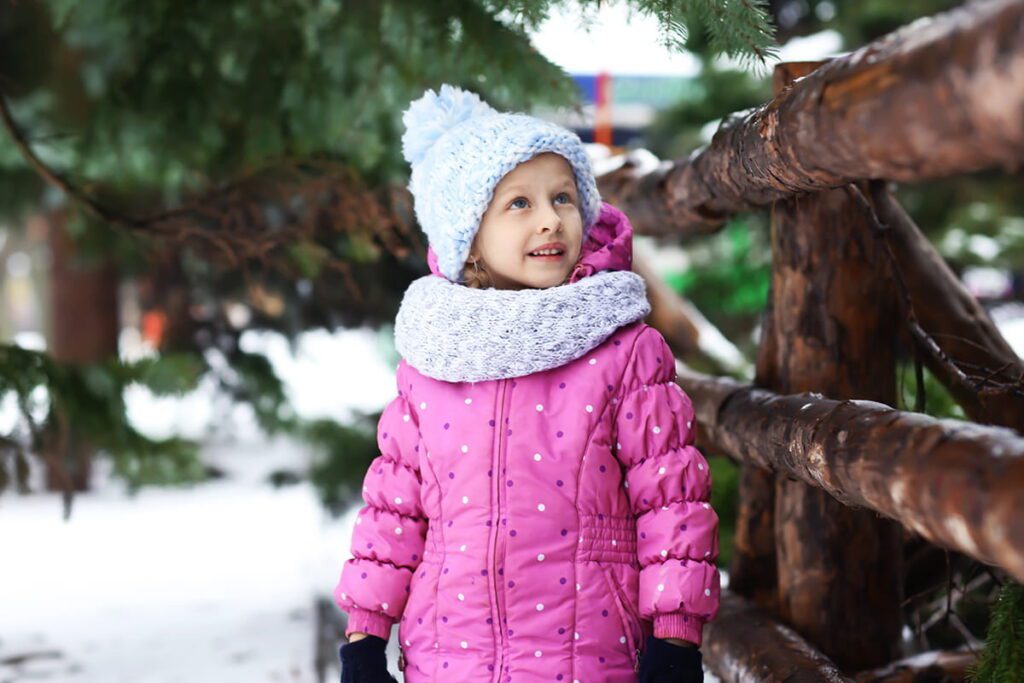
Toddlers (1–3 Years)
For toddlers, it’s always good to look for full-coverage designs. So, in this case, longer parkas or snowsuits are best. Before that, always keep in mind that soft lining and easy closures are essential, especially for toddlers.
Preschool & Early School Age (4–8 Years)
When it comes to picking coats for preschool, durable coats with strong zippers and adjustable features work best. On top of that, lightweight puffers or wool-blend coats are often ideal for early school age.
Pre-Teens (9–12 Years)
As per my experience, I could never make my pre-teen wear something I wanted. As they always have their own opinions about dressing, they end up with what they want. However, to combine warmth and style, I try to keep parkas and winter jackets in their winter closet.
Key Features to Look for
There are no specific rules or checklists to look for while shopping for kids’ winter coats. Still, I consider some key features that make the winter shopping more effective for my kids. So, let’s have a glance at them,
- Temperature rating
- Windproof and waterproof outer layer
- Breathable fabric to prevent overheating
- Adjustable cuffs and hems
- Detachable hood
- Reflective details for safety
- Easy-to-use zippers for independence
Best Materials for Maximum Warmth
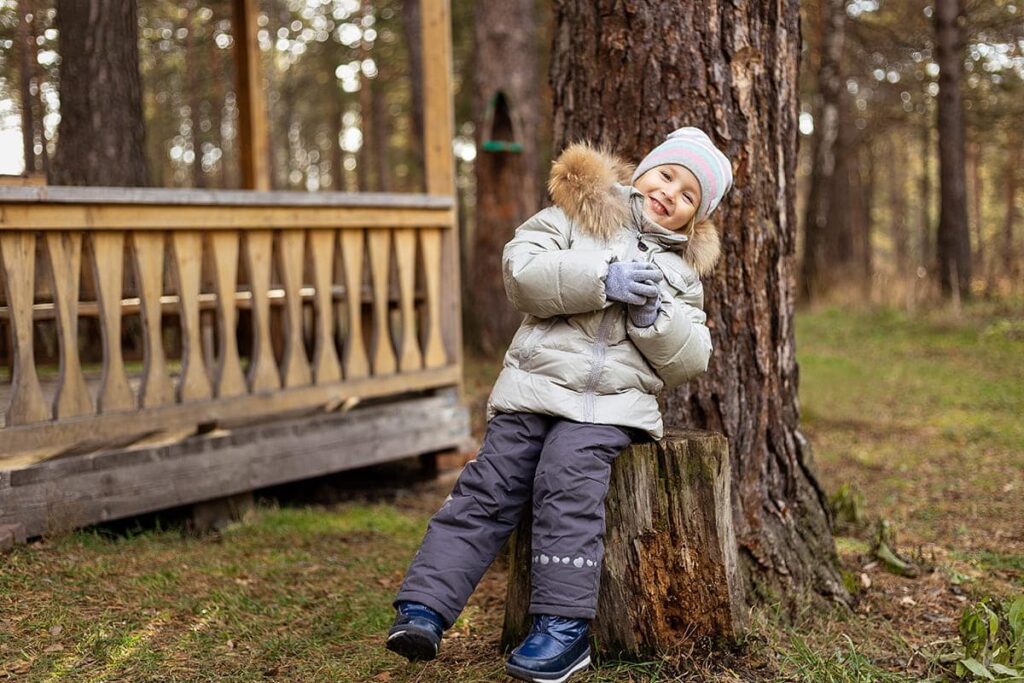
Goose or Duck Down
When it comes to natural insulations, Down is one of the warmest ones. Though it’s a very lightweight material, it keeps the body warm for the longest time. For extremely cold weather, down coats are the best option to pick.
Synthetic & Polyester Fill
For wet weather, synthetic and polyester materials are the best. They are durable, affordable, and keep the body dry even when it’s raining or snowing heavily. Nowadays, many kids’ coats use high-quality polyester insulation to balance warmth, durability, and ease of care.
Wool
There is no denying that one of the timeless materials for winter clothes is wool, right? They can keep children warm in dry, chilly weather. It’s breathable and moisture-wicking, but it is less effective in wet or very snowy conditions, so wool coats are best for mild to moderate winters.
Nylon & Polyester Blends
Waterproof or water-resistant fabrics block wind, rain, and snow to keep your child dry and warm during outdoor activities. Many winter coats combine Nylon and Polyester with insulated inner layers for maximum protection.
Every material has its strengths, and the best choice depends on your climate, the typical weather your child faces, and how active they are outdoors. For example, snowy regions benefit from down or synthetic coats with waterproof shells, while milder areas may only need wool or fleece-lined jackets.
Sizing and Fit Guide
In my initial mom days, I always struggled with getting the right fit and size for my kids. Especially when I used to look for winter clothes. But now I have developed my knowledge to get the perfect fit by following some basic tricks.
First and foremost, a winter coat should allow space for layering, but shouldn’t be overly loose. On the plus side, sleeves should fully cover wrists, and the coat length should protect the lower back.
Avoid buying excessively oversized coats. Don’t think that your child will grow into it. Also, too much additional space cannot trap the body heat properly, and make your child’s movement uncomfortable.
In addition, always look for adjustable features to accommodate growth during the season. So, you can let your little one wear the coat next winter as well.
Care and Maintenance Tips
As soon as summer arrives, we all have to pack our winter clothes for the next year. However, for kids, it requires some special care to keep the wellness of fabrics intact. So, here are some maintenance tips to follow.
- Follow washing instructions carefully.
- Use a gentle detergent for down coats.
- Air dry properly under the sunlight or with a dryer to maintain fluffiness.
- Reapply waterproof spray if needed.
- Store coats in a dry, breathable space during the off-season.
Proper care extends the life of winter coats and preserves insulation quality. So, keeping the knowledge of how to Store Winter Clothes for Kids is essential.
Budget vs Premium Options
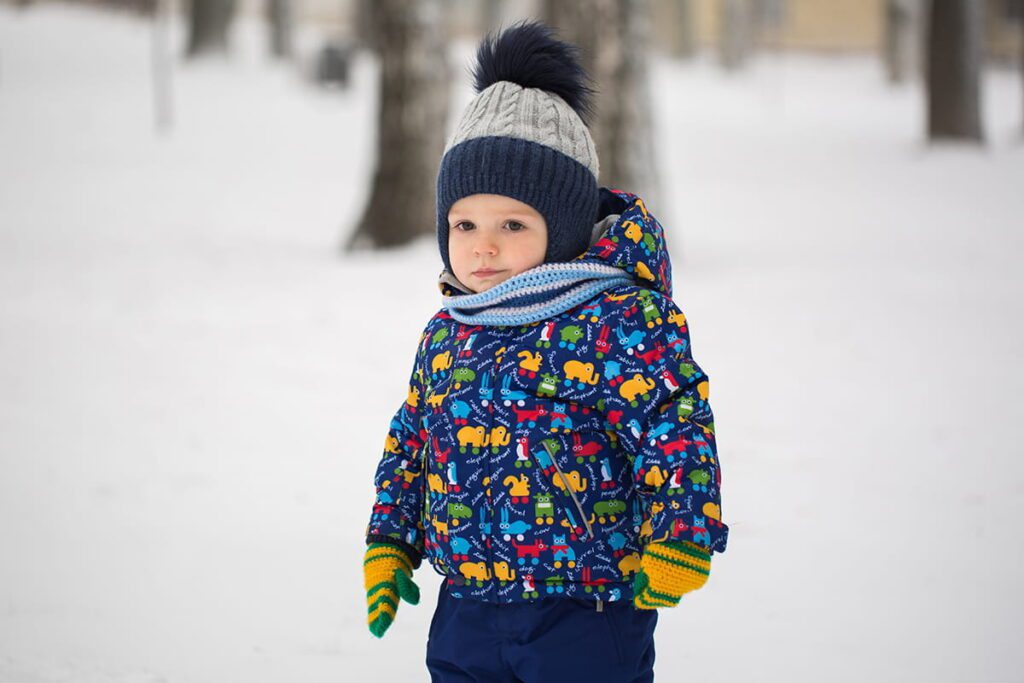
As a mom, I’ve learned that not all winter coats are the same. Premium coats usually have higher-quality insulation, better waterproofing, and can last for several winters. Plus, they’re a real lifesaver in harsh weather.
However, I have also realized you don’t always have to spend a lot; many budget-friendly coats with synthetic fill can keep my kids warm just fine for daily winter play. If your kids spend a lot of time in really cold or snowy weather, it’s a good idea to invest in a warm, high-quality coat. On the other hand, for milder winters, a mid-range coat usually keeps them cozy and warm.
Common Buying Mistakes
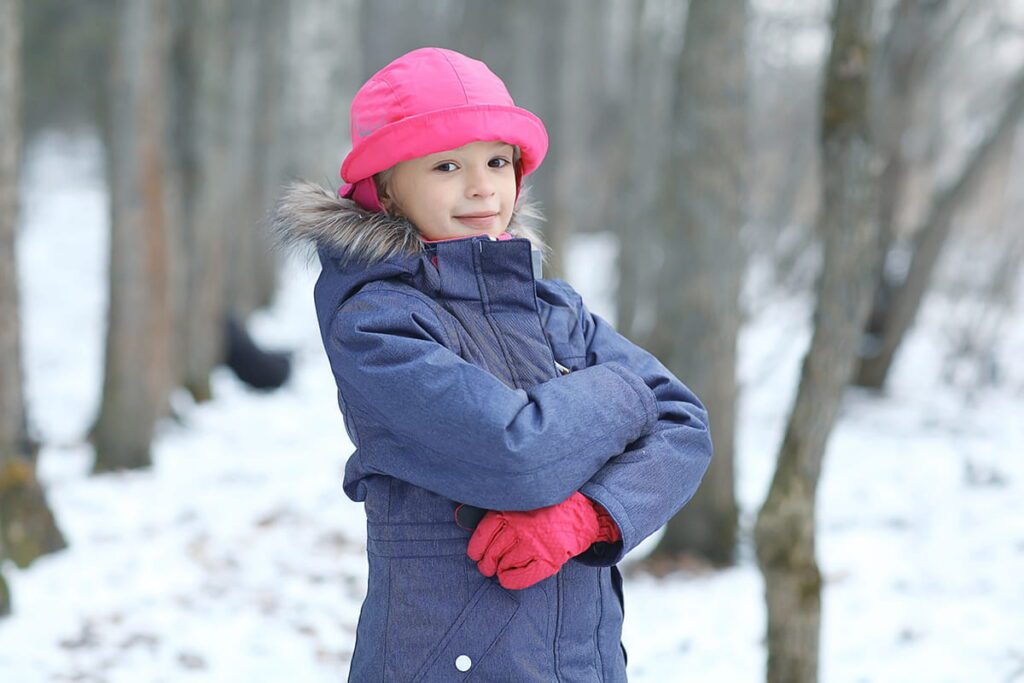
During my initial mom days, I used to make some common mistakes that I really don’t want you to make. So, here I am sharing the most common mistakes that we can mostly avoid.
- Prioritizing style over insulation
- Ignoring weather conditions
- Buying coats that are too big
- Overlooking waterproof features
- Skipping quality checks on zippers and stitching
Choosing wisely ensures your child stays warm, comfortable, and stylish in chilly winter. To know more about Cozy Layering Tips, check it out!
Frequently Asked Questions (FAQs)
What are the warmest materials for kids coats?
Down (goose or duck) is very warm and lightweight, so it’s considered perfect for really cold days. Also, Synthetic fills like polyester work well too, especially if it’s wet or snowy outside. Besides, they are very easy to take care of. Wool is good for dry, chilly weather, while fleece or sherpa lining adds extra coziness.
What is the warmest Kids coat to wear in winter?
The warmest coat is usually a well-insulated down or synthetic parka with a waterproof shell. Therefore, look for coats with a hood, snug cuffs, and enough room for layering. These keep your child warm even in freezing temperatures and snowy weather.
How to keep kids warm in winter?
Start with a soft base layer, add a warm sweater or fleece, and finish with a good winter coat. Don’t forget hats, gloves, and warm socks because a lot of heat is lost from the head and feet. Make sure the coat fits properly and covers the lower back and wrists.
Are synthetic coats good for snow?
Yes! Many synthetic coats are insulated with polyester or similar fills, which still keep kids warm even when it’s wet. If the coat also has a waterproof or water-resistant shell, it’s perfect for playing in the snow or rain.
What brands are famous for winter jackets?
Some well-known kids’ winter jacket brands are:
- The North Face: Known for durable, warm jackets
- Columbia: Best for waterproof and insulated options
- Patagonia: Popular for eco-friendly and high-quality coats
- OshKosh B’gosh: For the stylish and cozy warmest kids coats collection
- Decathlon / Quechua: For affordable and reliable options
Quick Comparison Table for Warmest Kids Coats
| Coat Type | Best For | Warmth Level | Waterproof | Lightweight |
| Down Puffer | Extreme Cold | Very High | Optional | Yes |
| Parka | Snowy Areas | High | Yes | Medium |
| Wool Coat | Mild Winter | Medium | No | Medium |
| 3-in-1 Coat | Changing Weather | High | Yes | Medium |
Conclusion
As a mom, I know how important it is to keep my kids warm, comfortable, and safe during winter. Also, I believe, the warmest kids’ coats aren’t just about looking cute! It depends on how long it keeps my child warm and how comfortable it is for everyday wear.
So, when I choose a coat for my children, I always think about the materials, the features, and the kind of weather around us. A coat with the right insulation keeps the body heat intact without making my kids feel bulky while roaming around. And whenever I pay attention to these small details, I always end up buying the warmest kids coats.
For me, a well-chosen winter coat is more than just a piece of clothing; it’s a layer of protection and comfort that lets my kids enjoy their winter moments.