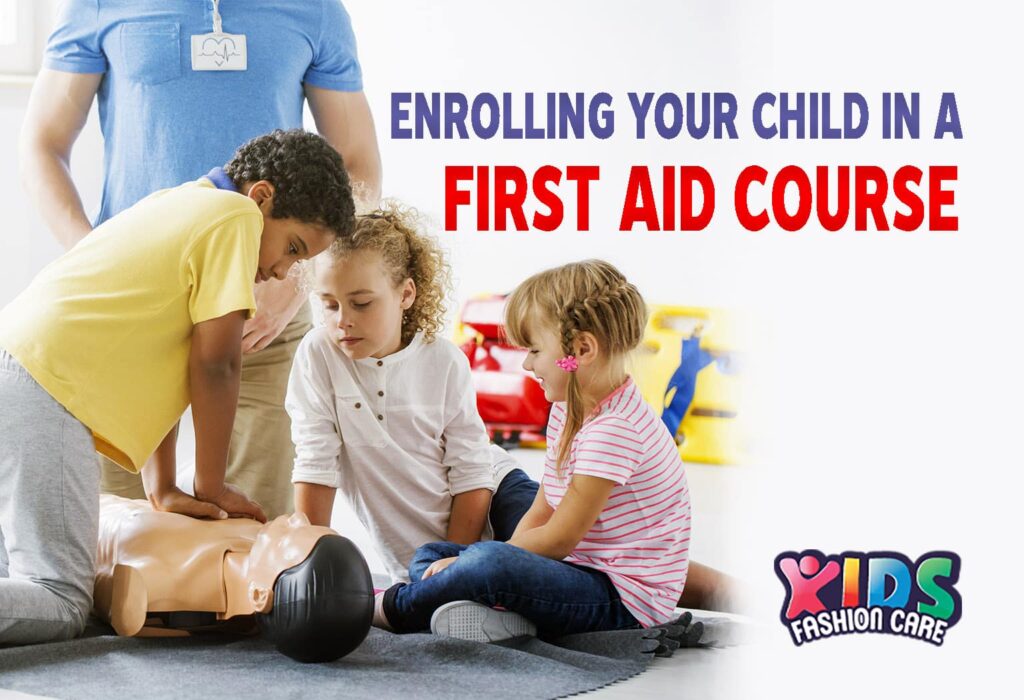

A first aid course for kids is training that teaches children and teenagers how to help someone who is sick or injured. By enrolling in a baby first aid course, young people learn important skills like CPR, how to stop bleeding, what to do when someone is choking, and when to call for emergency help. The course teaches kids to stay calm and take action instead of freezing in fear.
Table of Contents
Last summer, I saw an adult collapse suddenly on the street near my home. Kids were playing nearby and had no idea what to do. Everyone just stood there, frozen and helpless, waiting for someone else to take action. That moment made me ask a simple but important question: What if one of those kids knew how to help? What if they had been trained in first aid?
What is a First Aid Course for Kids?
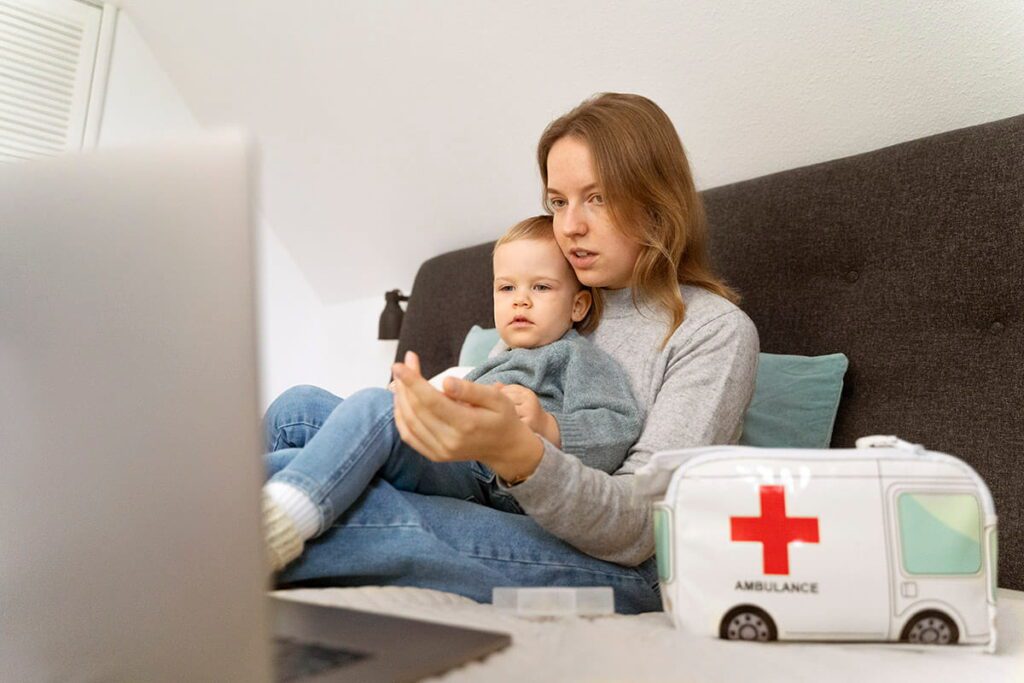
A first aid course for kids is training that teaches children and teenagers how to help someone who is sick or injured. Kids learn important skills like CPR, how to stop bleeding, what to do when someone is choking, and when to call for emergency help. The course teaches kids to stay calm and take action instead of freezing in fear. By enrolling in a baby first aid course, young people become confident helpers who can make a real difference when emergencies happen at home, at school, or in their community.
Kids as young as 5-6 years old can start learning first aid. There are many ways to learn like in-person classes, online courses, or programs at school and community centers. The training is made for kids their age, so they actually understand and remember it. Once your child learns first aid, they will have skills that can help save a life and make them feel confident and proud.
7 Benefits of Enrolling Your Child in a First Aid Course
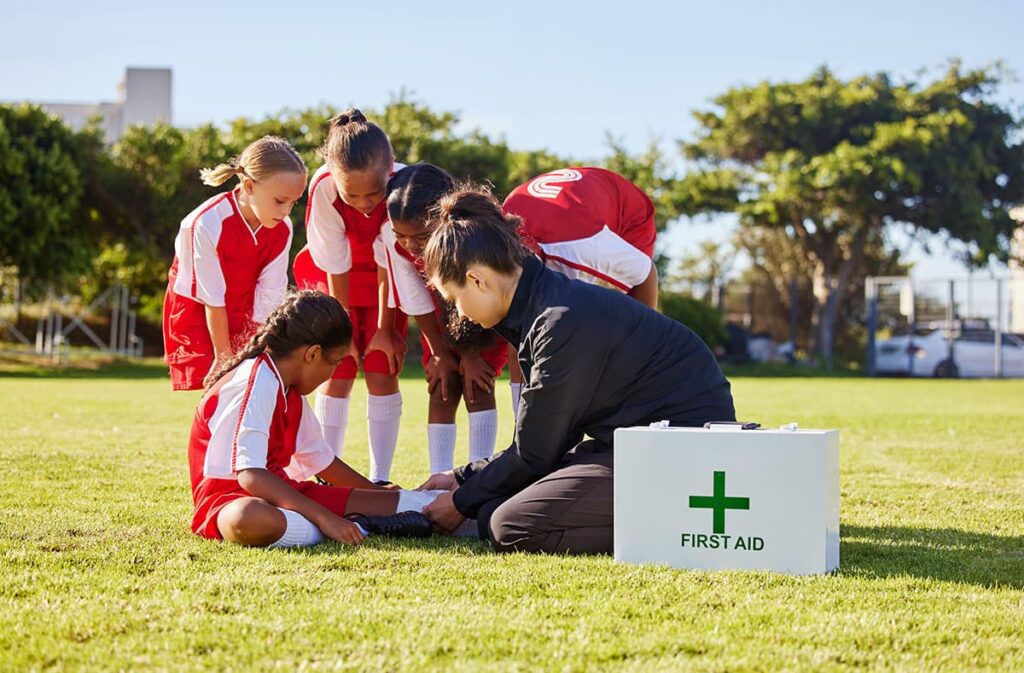
Your Child Becomes Confident in Emergencies
Think about how your kid freezes up when something unexpected happens. A first aid course changes that completely. Once they learn what to do, they stop panicking and start acting.
It is not just about knowing CPR. It is about knowing they can handle a tough situation without falling apart. That kind of confidence shows up in every part of their life, not just in emergencies.
They Learn How to Respond Quickly When Someone is Hurt
In emergencies, every single second matters. When your child learns first aid, they develop the ability to act fast without overthinking. They know exactly what steps to take when someone is choking, bleeding, or unconscious.
This quick response skill could literally save a life. Taking action, even if it is just calling for help, is what makes a real difference.
They Understand How to Handle Common Childhood Injuries
Kids get hurt all the time. Cuts, burns, falls, allergic reactions. Most parents panic and do the wrong thing, making it worse. When your child learns basic first aid for children, they can handle these situations properly.
They know how to clean a wound, when a burn needs ice, and how to recognize if something is serious. This knowledge means they can help younger siblings, friends, or even strangers without making things worse.
Learn more about keeping them safe and comfortable in our Sports Outfits Idea for Your Little Athlete.
They Gain Skills That Help at Home and at School
First aid knowledge is useful everywhere. At home, your child can help if a parent gets hurt. At school, they can assist a friend who is injured during sports or an accident in the cafeteria. During field trips or community events, they become the person everyone looks to for help. These real world situations actually happen, and your child will be ready instead of wishing they knew what to do.
They Build Empathy and Learn to Care for Others
First aid training opens kids’ eyes to what’s happening around them. Suddenly, they notice when someone gets hurt or is frightened instead of just walking past. They care more about keeping people safe. Most importantly, they genuinely want to help because they understand why it matters. It is not forced or fake. They care because they can actually do something real.
They Boost Their Resume and Future Opportunities
Most parents do not think about this but first aid certification looks really good on college applications and job resumes. Colleges notice when your kid takes action to learn something important like this.
Employers want it too, especially in healthcare, teaching, coaching, and working with kids. Your teenager could work as a lifeguard, camp counselor, or tutor and get hired faster because they have this certification. It is worth the time and money.
They Feel Proud and Empowered as a Young Helper
There is something special about knowing you have real skills that matter. When your child completes first aid training, they feel proud. They know they are not helpless anymore. They are someone who can actually make a difference in an emergency. That feeling of being capable and needed stays with them.
They walk around knowing they have knowledge and skills that could help save someone’s life. That kind of empowerment is priceless and shapes how they see themselves for years to come.
Essential Life-Saving Skills Kids Will Master
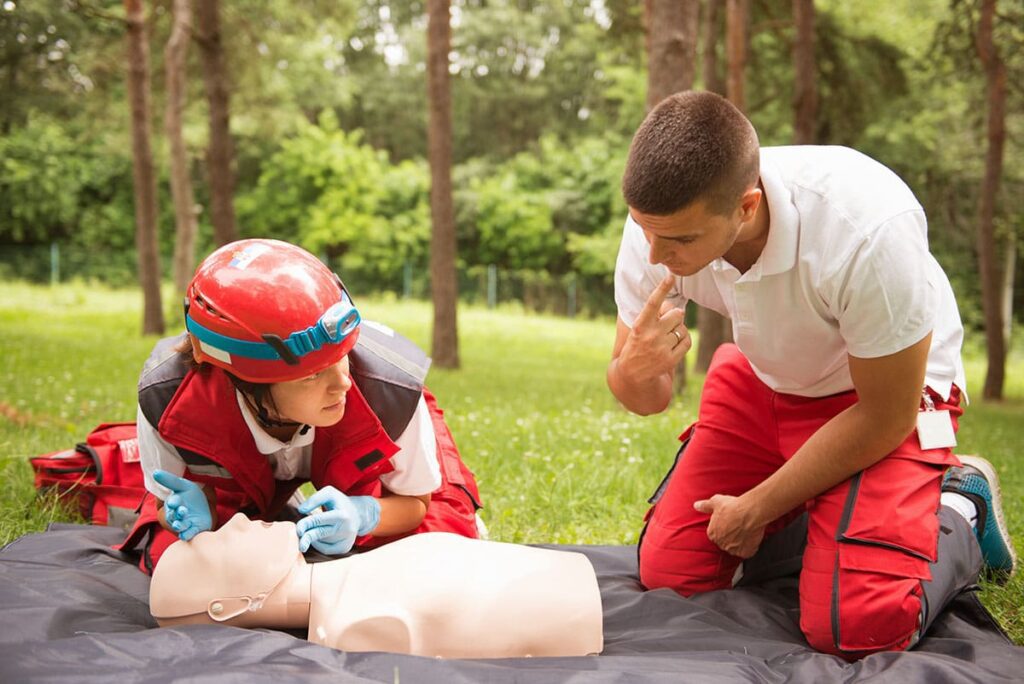
Based on what I have seen kids learn in a first aid course, here are the basic skills that every young person should know. These are not complicated medical procedures. They are simple, practical techniques that anyone can learn and use to help someone in trouble.
CPR (Chest Compressions) for Kids
CPR is using your hands to pump someone’s heart when it stops beating. Kids around 8 to 11 years old learn the basics and understand when to use it. By age 12 and older, they can perform full CPR with proper hand placement and rhythm.
The training teaches how hard to push, how fast to go, and when to stop. Kids practice on dummies so they feel exactly how it should be done.
How to Help Someone Who is Choking
When someone is choking, they cannot breathe and need help immediately. Kids learn to recognize real choking versus just coughing. Younger kids learn what to do and when to get an adult. Older kids learn hands-on moves that actually work. It is one of the most useful skills.
How to Stop Serious Bleeding
If someone is bleeding badly, the first thing kids learn is to stay calm. They learn to find the bleeding spot, apply pressure with a clean cloth, and keep the pressure on until it stops. They learn when to elevate an arm or leg and when something is really serious. The whole idea is to stop blood flow and prevent infection.
Recognizing When Someone is Having an Allergic Reaction
Allergic reactions can hit out of nowhere, could be from something they ate, a bee sting, or medication. Kids need to know what to look for: face swelling, a rash breaking out, trouble breathing, or the person acting confused or disoriented. They’ll learn how to use an EpiPen if needed. It’s literally a life-saver. Really, the whole point is catching it fast and getting emergency help right away.
What to Do for Burns, Fractures, and Sprains
Burns happen a lot in the kitchen or from random accidents. The basics are simple: run cool water on it, wrap it up, and know when you actually need to see a doctor. If it’s a broken bone or sprain, you keep it from moving and throw ice on it. Kids pick up on the difference too like knowing when something just needs rest versus when they need to get to the hospital.
The Recovery Position and What to Do if Someone Goes Into Shock
The recovery position is just putting someone on their side when they are passed out but still breathing. This keeps them from choking if they throw up. Kids also learn about shock, which is when someone’s body shuts down after being hurt badly. They learn to keep the person warm, put their legs up, and stay calm until help shows up.
Understanding Baby First Aid vs. Adult First Aid
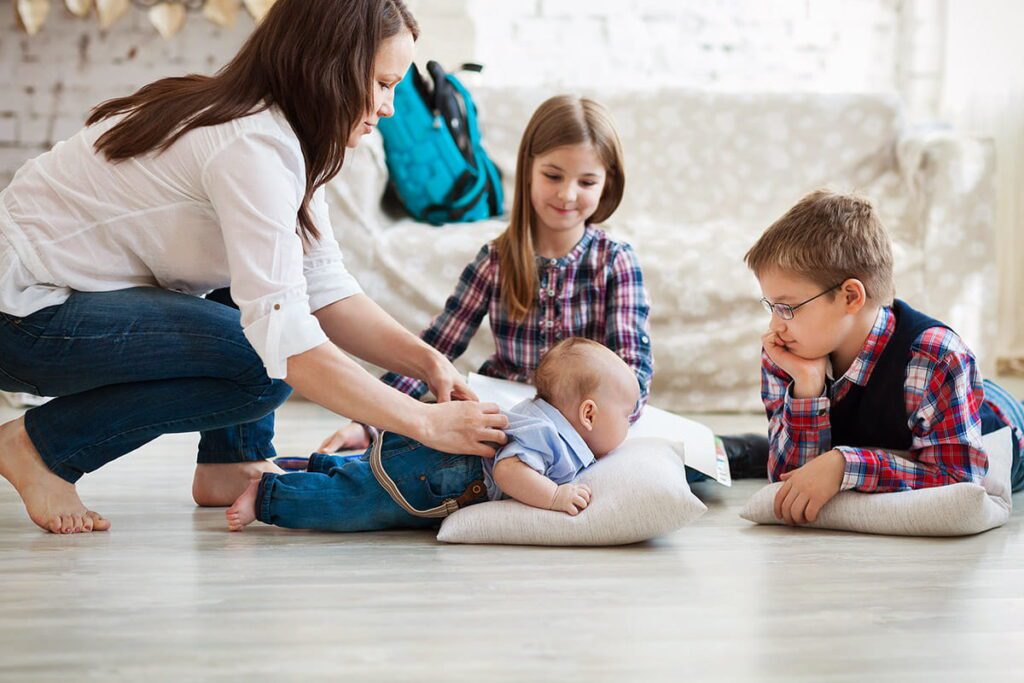
Baby and child first aid is completely different from adult first aid. Babies and kids have smaller bodies, weaker bones, and different health issues than adults. CPR for a baby uses only two fingers instead of full hand compressions. Choking happens differently in kids because of how their throats are shaped. Allergic reactions, fevers, and seizures are common in children but rare in adults. Burns affect kids faster because their skin is more sensitive. Even the way you communicate with an injured child is different because they get scared easily.
The techniques change based on age. A 2-year-old needs different care than a 10-year-old. Toddlers are prone to swallowing things and choking. Older kids get injured more from sports and accidents. Babies need gentle handling while teenagers can handle firmer techniques. Knowing these differences means your child learns to give the right help at the right age instead of using adult techniques that could actually hurt a kid.
That is why enrolling in a baby first aid course is so important. Your child learns these specific skills tailored for children, not generic adult first aid that does not work on kids. They understand what babies need, what toddlers are at risk for, and how to help older children. This knowledge makes them a truly effective helper in real situations.
Programs Where Your Kid Can Enrol in a First Aid Course
American Red Cross Kids First Aid
The American Red Cross offers first aid courses specifically designed for kids and has programs across the entire USA. You can find classes near you, choose between in-person or online options, and get certified upon completion.
Visit their website to search for local courses and register your child.
St. John Ambulance (USA Programs)
St. John Ambulance provides youth first aid training with a focus on building confidence and practical skills in young people.
You can find more information and enroll at their website or contact your local chapter directly.
American Heart Association – Kids CPR
The American Heart Association specializes in CPR and life support training for all ages, including children and teenagers.
Learn more and find courses near you at their official website
CPR Kids (Local Programs)
CPR Kids offers specialized training programs designed just for young learners with hands-on practice and interactive learning. Many communities have local CPR Kids instructors who bring training directly to schools and neighborhoods.
Search for CPR Kids programs in your area at CPR Kids or check with your local community center.
Frequently Asked Questions (FAQs)
What is the right age for my child to start learning first aid?
Kids can start at 8 years old. Programs have different levels for different ages so your child learns what is right for them.
How long does a first aid course take?
Most courses take 4 to 8 hours. Some finish in one weekend day while others spread over multiple sessions.
How much does it cost to enroll my child in a first aid course?
Most courses cost between 50 to 150 dollars. Check your local community centers as they sometimes offer free or low-cost programs.
How long is a first aid certification valid for?
A first aid certification is valid for three years. After that, your child needs a refresher course to keep it current.
Conclusion
Learning first aid changes how your child sees themselves. When kids have real skills to help people, they carry themselves differently. They become someone others trust when things get tough at school, during sports, or anywhere. It is not just about CPR and bandages. By enrolling in a baby first aid course, you are raising young people who know they matter and can actually make a difference.
Every kid deserves to feel strong and capable. First aid training gives them that. It shows them they do not have to freeze or wait for someone else when something goes wrong. They become the helper instead. This confidence shows up everywhere in their life, making them better students, better friends, and better people. So do it today. Enroll your kid up for a first aid course and watch them become someone who can actually help and protect others.