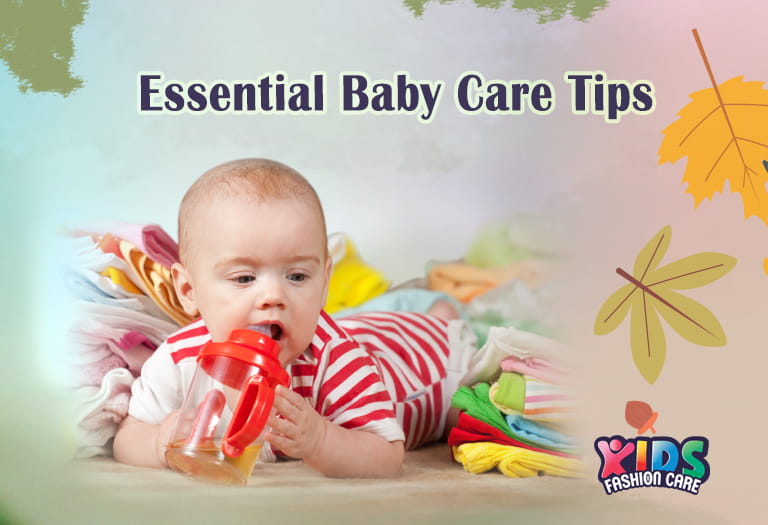

Essential newborn baby care tips for first time moms include proper diaper changing (8-10 times daily), safe sleep practices (back sleeping on firm mattress), responsive feeding (8-12 times per 24 hours), gentle bathing (2-3 times weekly), and umbilical cord care (keep clean and dry). Following these tips helps prevent infections and supports healthy development.
Table of Contents
Becoming a mom is the most amazing thing you’ll ever experience. It’s like you’ve achieved something incredible, not just for yourself but for your whole family. As a new mom, everything feels brand new and overwhelming at the same time.
When I had my first baby, my journey was honestly confusing. I wouldn’t understand even the simple things, and on top of that, I was dealing with postpartum depression, body issues, and food allergies. It felt like too much. Every new mom needs a proper guide on how to take care of this tiny human. Caring for a newborn is not easy, but it becomes so much simpler when you know what to do and what not to do.
Your first baby is always special because it’s a learning phase for you. All those moments where you figure things out help you become a better parent. When you have your second or third baby, taking care of them becomes so much easier because you already know what works.
That’s why I’m here to give you the essential newborn baby care tips you need right from day one. This guide will walk you through everything. From keeping your baby clean and fed to helping them sleep safely and knowing when something needs medical attention.
Keep Your Baby Clean: Hygiene Care Tips
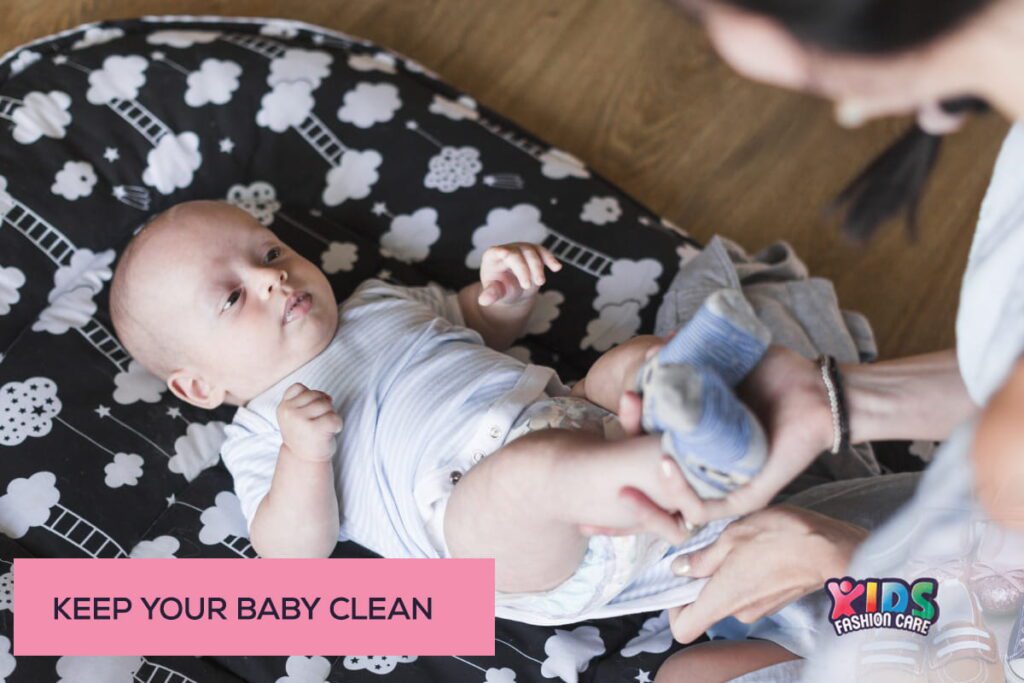
New babies have super delicate skin and they need proper care to stay clean and healthy. The first week after coming home from the hospital is the most crucial time for your baby’s hygiene. During these early days, your baby’s skin is still adjusting to the outside world, and keeping them clean helps prevent infections and rashes.
Diaper Changing Tips
Newborn babies get dirty very easily because of frequent pee and poop. Their hygiene is super important to maintain during these early days. When I had my first baby, my mom suggested using napkins instead of diapers. I thought it was a good idea, but it turned out to be a mistake. My poor baby developed a bad rash in her private area and suffered a lot. That’s when the doctor recommended using proper diapers, and honestly, diapers are so much better.
There are different types of diapers available. Some come in folding style and some in panty style. From my personal experience, I highly recommend getting the panty style diapers. They are easier to use and more comfortable for your baby.
Now, how many times should you change your baby’s diaper? Newborns need frequent diaper changes throughout the day. You should change your baby’s diaper at least 8 to 10 times every 24 hours. Change the diaper after every feeding, before bedtime, and whenever it gets wet or soiled. The more you change, the less chance your baby will get a rash, or cold. Always clean the area gently with soft wipes and let it dry properly before putting on a fresh diaper.
Bathing Your Baby Tips
Bathing a newborn can feel scary at first, but my mom taught me the perfect technique that made it so much easier. She was doing this with my baby until she turned 3 months old, and it worked wonderfully.
For the first few weeks, you don’t need to give your baby a full bath in water. My mom used to do sponge baths instead. She would take a soft cloth, dip it in lukewarm water, and gently wipe my baby’s face, neck, and body. She never dunked the baby in water because the umbilical cord was still there. She would be very careful around that area.
After 3 months, when the umbilical cord falls off completely and heals, you can give your baby a proper bath. Use a small tub with just 2 or 3 inches of warm water. Always support your baby’s head and neck with one hand while gently washing with the other. Use only mild baby soap and warm water. Two to three baths per week is enough. Don’t bathe your baby every day because that can dry out their delicate skin.
Umbilical Cord Care Tips
The umbilical cord stump is something many new moms worry about, but honestly, it’s easier to care for than you think. When my baby came home from the hospital, the umbilical cord was still attached. I was so scared to touch it or even change the diaper around it.
My doctor gave me simple advice. Keep the area clean and dry. That’s it.
I would fold the diaper down so it didn’t cover the cord area. Whenever I cleaned the area, I used only water and a clean cloth. I never used any special creams or antiseptic unless the doctor told me to. The cord naturally dries up and falls off on its own, usually within 1 to 3 weeks.
One important thing I learned is to watch for any signs of infection. If you see redness, swelling, or any weird smell coming from the cord area, call your doctor right away. But in most cases, if you keep it clean and dry, the cord will fall off perfectly fine. When it falls off, there might be a tiny bit of bleeding. Don’t worry, that’s normal. Just keep the area clean until it completely heals.
Tips for Feeding Your Baby
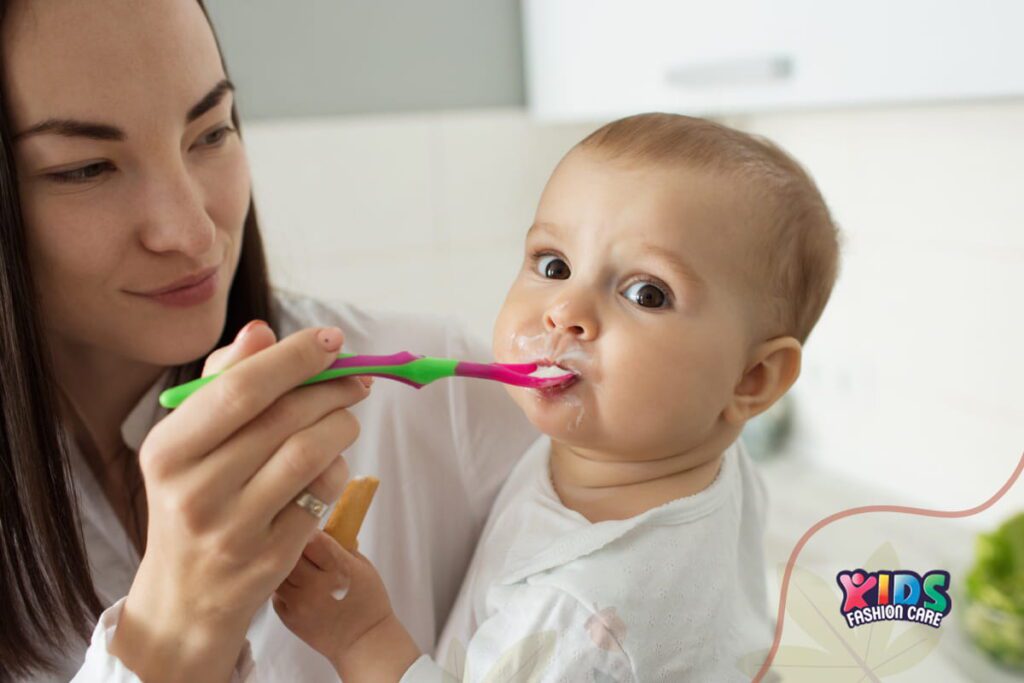
Feeding your baby is one of the most important parts of newborn care. I always prefer breastfeeding if it’s possible for moms because breastmilk has everything your baby needs in the first few months. But every mom is not in the same condition. Some babies need formula milk for many reasons.
Breastfeeding Tips
When I started breastfeeding my first baby, the latch was the hardest part. Make sure your baby’s nose is aligned with your nipple and support their head and neck properly.
In the beginning, it will feel uncomfortable, but it gets better. Feed your baby from both breasts during each feeding. Stay hydrated and drink plenty of water throughout the day. If you face any challenges like pain or low milk supply, don’t hesitate to call a lactation consultant. They helped me so much.
Formula Feeding Tips
When I switched to formula feeding with my second baby, I tried Similac Pro Advance first and it worked really well for her. Popular brands like Similac, Enfamil, and Pampers are good choices for most babies. Every baby’s stomach is different. My first baby couldn’t handle certain formulas and would get upset, so we had to try different brands until we found one that worked.
Always use lukewarm water when mixing formula. I once used slightly hot water thinking it would mix better, and my husband told me to stop. Hot water can destroy the nutrients in formula, so avoid it. Follow the instructions on the package carefully and don’t add extra scoops. Store prepared formula in the refrigerator and use it within 24 hours. Throw away any leftover formula after that time. I wonder how this man know all of this!
Burping Your Baby Tips
Burping is important because it helps your baby feel comfortable after eating. I hold my baby over my shoulder and gently pat her back until she burps. Sometimes the burp comes out quickly, sometimes it takes longer. My first baby would burp right away, but my second baby needed more time and patience.
You can also sit your baby upright on your lap and rub her back gently. Sometimes changing positions helps bring the burp out. Just be patient and don’t force it. If your baby doesn’t burp after a few minutes, that’s fine too. Your baby can sense if you’re frustrated, so stay calm and relaxed during the process.
How Much Should Your Baby Eat Tips
Newborns need to eat 8 to 12 times every 24 hours. Don’t follow a strict schedule. Instead, watch for hunger signs like your baby rooting or sucking their fingers. When my baby cried, I would check if she was hungry first.
Feed on demand, not by the clock. A good way to know if your baby is getting enough is to count wet diapers. Your baby should have 6 to 8 wet diapers per day. If the numbers are good, your baby is eating enough.
Tips for Sound Sleep for Your Baby
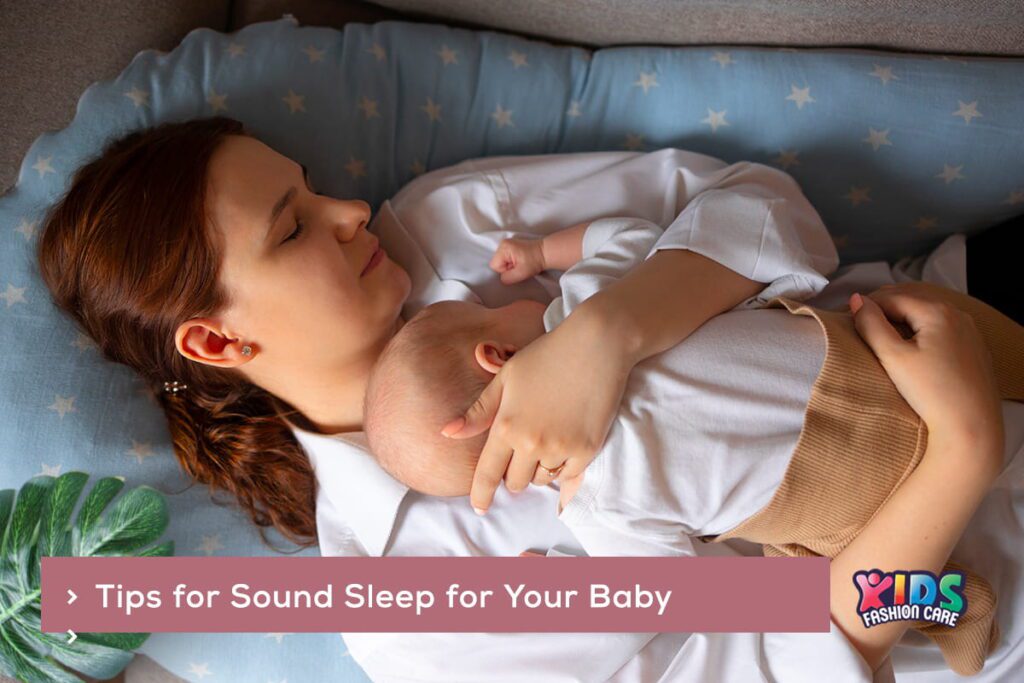
Getting your baby to sleep safely is one of the biggest concerns for new moms. When I had my first baby, I didn’t know where to start with sleep. I was so tired and confused about how to make her sleep peacefully.
A good sleep routine helps your baby develop well and gives you some much-needed rest too. Let me share what I learned about helping my newborn sleep better through my own experience.
Creating a Safe Sleep Room for Your Baby
When I brought my first baby home, I set up the crib with soft blankets and cute pillows thinking it would be cozy. My mom immediately told me to remove everything. She said the crib should only have a firm mattress and fitted sheet, nothing else. I didn’t understand at first, but then I learned that blankets and pillows can be dangerous for newborns. Now I make sure the room is at a comfortable temperature between 64 to 68 degrees. My baby always sleeps on her back. I use a crib next to my bed so I can hear her easily through the night.
The Unpredictable Sleep Schedule of Newborns
Newborns don’t follow a set sleep schedule. When my baby came home, I thought she would sleep at the times I planned. Instead, she slept for 2 hours, then woke up after 30 minutes. Some nights she cried every hour and I felt so exhausted. I kept wondering if something was wrong with her.
This is completely normal for newborns. Create a simple bedtime routine like a warm bath and soft singing. Your baby might not follow it at first, but she will eventually understand the pattern. Don’t stress about sleepless nights. Take care of yourself too so you don’t get burned out during this phase.
When Your Baby’s Sleep Changes Unexpectedly
Your baby’s sleep patterns will change as she grows. Sometimes your baby sleeps well for weeks, then suddenly starts waking more. This is called sleep regression and it’s normal. When my baby turned 3 months, she started waking up frequently even though she was sleeping well before. These phases are unpredictable and don’t last long. They usually pass in a few weeks.
Stay consistent with your routine and be patient with your baby. Remember that every baby is different. Don’t compare your baby’s sleep with other babies.
What to Buy and What to Skip for Babies
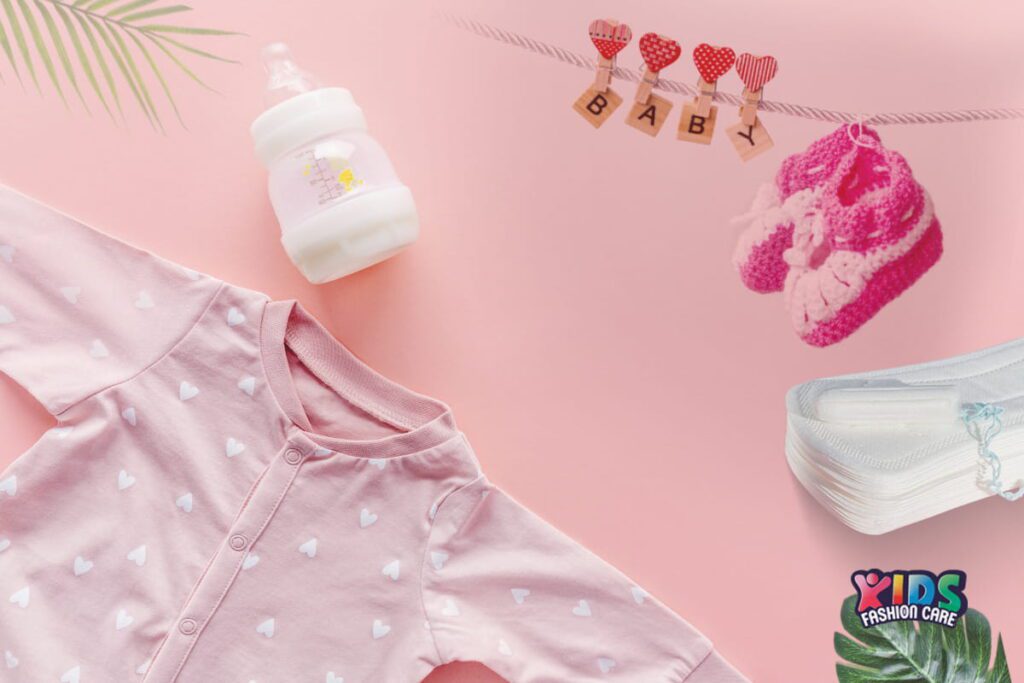
I spent way too much time in the kids section when I went grocery shopping. I would grab so many products thinking my baby needed them all. Looking back, I wasted money on things that weren’t necessary. I figured out what actually matters and what you can skip. Let me share what I learned so you don’t make the same mistakes.
Must-Have Products
Here’s what you really need for your baby:
- Diapers and wipes
- Gentle baby washes and lotions
- Feeding essentials like bottles and sterilizers
- Sleep items like crib and bassinet
- First aid kit with thermometer and baby scissors
- Baby Monitor
I use Pampers and Huggies for diapers and wipes because they’re soft and reliable. For washing, I use Johnsons Baby products and Cetaphil since they’re gentle on delicate skin. Bottles and sterilizers make feeding easier. A crib or bassinet is necessary for safe sleep. I keep a first aid kit at home with a digital thermometer, nasal aspirator, baby nail scissors, and saline drops. These items really help when your baby needs something.
A baby monitor is essential when you shift your baby to its nursery home but still for a newborn I recommend having one. You need an emergency bathroom trip someday or maybe there’s no one at home, or you are in a deep sleep. For these kinds of moments, you should have a monitor to know your baby’s status.
And newborn clothes are delicate also. if u want to know about newborn clothes wash tips you can check this blog:
Can You Use Fabric Softener on Newborn Clothes? A Complete Guide for Parents
Products to Avoid
Some products look cute but are actually dangerous for your baby. Never use crib bumpers and loose bedding because they can cause suffocation. I almost bought a crib bumper thinking it was safe, but my doctor warned me against it. Used car seats and cribs can be unsafe because they might have hidden damage or don’t meet today’s safety standards.
Always buy new ones for your baby. Baby walkers are risky too because they increase the chance of falls and injuries. Don’t put pillows, stuffed animals, or blankets in the crib. These items look harmless but they’re actually dangerous for newborns. Keep the crib simple and focus on what truly keeps your baby safe.
Is Your Baby Breathing Right? Signs of Healthy Breathing

When my baby came home, I constantly watched her breathing to make sure she was okay. Normal newborn breathing is fast and noisy, which scared me at first. Babies breathe around 40 to 60 times per minute and make grunting or snoring sounds. This is completely normal. As long as my baby was active, feeding well, and had a healthy color, her breathing was fine.
But there are warning signs you should never ignore. If you notice any of these signs, call your doctor immediately. Trust your instincts. If something feels wrong with your baby’s breathing, don’t wait to call.
Warning Signs – Call Your Doctor Immediately:
- Difficulty breathing or shortness of breath
- Grunting or flaring nostrils
- Bluish lips or skin
- Sleeping too much
- High fever
- Fewer wet diapers than usual
- Refusing to feed
Your Partner’s Role As a New Parent

When my first baby was born, my husband didn’t know how to help. I was exhausted and he felt useless. We learned together that his support made all the difference. Ask your partner to take the night shift sometimes so you can sleep. When I was breastfeeding, my husband would change diapers and bring the baby to me. Some nights he would take the baby after feeding so I could sleep calmly.
During the day, he can handle household chores like cooking, cleaning, laundry, and groceries. These small things free up your energy to focus on your baby and yourself. Even 4 hours of uninterrupted sleep or one hot meal made everything better for me.
Encourage your partner to spend skin-to-skin time with the baby too. My husband would hold our baby on his chest, do bath time, or simply talk and sing to the baby. This helps him bond with the baby and gives you a much-needed break.
Talk to your partner about what you need. Sometimes you need to teach him baby care tips as well. Don’t expect him to read your mind. When I told my husband exactly what would help me, everything became easier. Work together as a team. Your partner is your support system during this exhausting phase.
Frequently Asked Questions (FAQs)
Q1: How do I know if my baby is getting enough milk?
Count the wet diapers. Your baby should have 6 to 8 wet diapers every day. If you’re seeing that many, your baby is getting enough milk. Also watch your baby’s weight gain at doctor visits. That’s the best indicator.
Q2: Is it okay to mix breast and bottle feeding?
Yes, absolutely. I did this with my first baby and it worked great. I would breastfeed during the day and my husband would give a bottle of expressed milk at night so I could sleep. This is called combination feeding and many moms do it. Just make sure your baby latches well on the breast so the milk supply doesn’t decrease.
Q3: What temperature means my baby has a fever?
A rectal temperature above 100.4°F or 38°C in infants under 3 months is considered a fever. Call your pediatrician immediately if your baby has a fever.
Q4: How many baths per week does my newborn need?
Your newborn doesn’t need daily baths. Two to three times a week is enough during the first month. Bathing too often dries out the skin. Use sponge baths until the umbilical cord falls off. After that, keep baths to a few times a week and do spot cleaning on the face and diaper area as needed.
Q5: When should I call my doctor about my baby’s breathing?
Call your doctor immediately if your baby has trouble breathing, grunting sounds, flaring nostrils, bluish lips or skin, or is sleeping too much. Don’t wait to call.
Conclusion
Taking care of your newborn is a beautiful journey and it’s normal to feel overwhelmed. Every mom makes mistakes. Following these essential baby care tips will help you feel more confident as a parent. Ask for help when you need it and take care of yourself too. Your baby needs a happy and healthy mom. Enjoy these precious moments because they pass so quickly.