
Follow eco-friendly kids clothing trends now before fast fashion harms your child’s skin and the planet! Sustainable options, such as recycled polyester, hypoallergenic Tencel, and biodegradable designs, offer safer and stylish alternatives. Don’t wait explore top trends, trusted brands, and easy ways to go green today!
Table of Contents
Given the current state of the world, doing our part to ensure the planet heals is crucial. That’s why eco-friendly kids’ clothing trends are rising every day. Sustainable clothing isn’t just a trend, though; it’s a way for people to do their part in protecting the world we live in.
Following eco-friendly kids’ clothing trends means doing something ethical and helping the environment and our kids’ health. I will share the top sustainable fabrics to look for when buying kids’ clothes. You will learn about the top sustainable kids’ fashion brands and how to care for their eco-friendly clothing.
Why Choose Eco-Friendly Kids Clothing?
Eco-friendly kids’ clothing trends are such a hot topic because these clothes do more than make kids look adorable. Sustainable clothing does a lot of good for the environment as well as kids’ health.
Health Benefits for Children
Eco-friendly kids’ clothing is made from organic fabrics, including organic cotton, bamboo, and hemp. These fabrics are all free of harsh chemicals that you might find in synthetic fabrics. As such, the clothing is guaranteed to ensure that kids don’t have a bad reaction to it when worn.
Young kids are sensitive to synthetic dyes, pesticides, and chemical finishes. This is why they are uncomfortable when wearing conventional clothing. By following eco-friendly kids’ clothing trends, children will be protected from allergies, rashes, and respiratory issues.
Environmental Impact
Currently, a significant portion of the fashion industry is following the fast fashion model, which is causing considerable harm to the environment. Sustainable fashion is a key solution to mitigating some of the damage being done to our planet. Water waste, microplastic pollution, and excessive landfill waste are just a few of the ways fashion is polluting our planet.
With sustainable fashion, the negative impact is being limited. For example, organic growing methods are used to reduce the use of pesticides. For hemp and cotton production, low-water production processes are being implemented. More recycled materials are being used in clothing manufacturing.
Ethical and Fair Trade Practices
Buying eco-friendly kids’ clothes is a simple thing, but it’s also an ethical choice. This is because sustainable fashion brands aren’t just being eco-friendly; they are also being ethical. These brands are committed to paying fair wages, ensuring safe working conditions, and maintaining cruelty-free production.
When parents choose sustainable brands, they aren’t just buying trendy, high-quality clothes for their kids. They are also supporting ethical labor practices. Doing so is something I highly recommend because it helps combat issues such as child labor and unfair wages.
Top Sustainable Fabrics for Kids’ Clothing
To understand the current eco-friendly kids’ clothing trends, you need to know what eco-friendly materials are used in their production. There are several options to choose from for eco-friendly fabrics in kids’ clothing.
Organic Cotton
Normal cotton and organic cotton are different, if you didn’t know. The difference is that organic products are produced without the use of synthetic pesticides or genetically altered seeds. This means that the organic cotton is completely natural, meaning zero chances of it being an issue for your kids.
The cotton is also softer and hypoallergenic and certified by the Global Organic Textile Standard (GOTS). This means that the cotton is 100% environmentally and socially responsible.
Bamboo Fabric
As one of the fastest-growing, renewable fabrics in the world, bamboo is an excellent choice for eco-friendly kids’ clothing. The fabric is known for being soft and breathable, making any clothing extremely comfortable to wear. The fabric is made without the use of any pesticides, so the chances of it causing health issues for kids are practically zero.
It also has antibacterial properties, so the fabric will not cause any health issues for kids with sensitive skin. Bamboo is also biodegradable, so parents who buy bamboo kids’ clothing can recycle it easily.
Hemp
Another top contender for eco-friendly kids’ clothing fabrics is hemp. The fabric is known for its rapid growth and doesn’t require excessive water, either. This makes it an ideal renewable material for mass production. A byproduct of hemp production is that the fabric also enriches the soil it grows in, which is a beneficial effect.
Thanks to the properties of hemp, the clothes made from it can’t become moldy and are resistant to UV rays. That’s why most hemp clothing is worn during the summer and spring months.
Recycled Materials (Polyester, Wool, etc.)
When it comes to eco-friendly kids’ clothing trends, wearing clothes made from recycled materials is near the top. Many items can be recycled and used to make clothing, including those for children, not just fabrics. For example, polyester from plastic bottles is a common material that’s recycled and used to make clothes.
There are major brands around the world, such as Patagonia and Prima, that market themselves as using recycled materials in their clothing manufacturing. In fact, both brands are well-known for making amazing kids’ clothing using recycled materials.
Tencel (Lyocell)
An eco-friendly kids’ clothing material you might not be familiar with is Tencel, also known as Lyocell. This is something that’s made from sustainably sourced wood pulp. Tencel, in particular, is produced in a closed-loop system. This means that the manufacturing process creates close to zero amount of waste.
The produced material or fabric is described as ultra-soft and possesses other desirable properties. These properties include being moisture-wicking, which means the clothing helps to keep kids dry. The fabric also ensures kids with eczema or allergies can wear Tencel clothing without any issues.
Latest Trends in Eco-Friendly Kids Fashion
So, you know which fabrics are the most eco-friendly, so it’s time I went over the latest eco-friendly kids’ clothing trends. These trends are new and are here to stay.
Related: Latest Teenage Fashion Wear Ideas for Teens
Gender-neutral and Timeless Designs
As times change, more and more parents are dressing their kids in gender-neutral and timeless designs. Brands are picking up on the trend and producing clothing that even siblings can wear with ease.
Thanks to the timeless design, the clothes can be worn by siblings even when they have an age gap between them. These designs include striped tees or neutral overalls, which help keep the trend alive for longer. As such, parents can have their kids wearing without a need for constant replacement.
Upcycled and Second-Hand Clothing
As more parents become environmentally aware, they are looking towards dressing their kids in upcycled or second-hand clothing. According to parents, they believe that with little cleanup, these pre-worn clothes can be easily worn again by their kids and not end up in landfills.
Such thinking is very forward-thinking and will help to protect our environment. Some brands and stores offer affordable prices for pre-loved children’s clothing. I recommend ThredUp, Poshmark, and local consignment shops if you are looking for such clothing.
Minimalist and Capsule Wardrobes for Kids
Rather than having kids wear too many clothes, parents are taking steps to keep a minimalist wardrobe for their kids. Capsule wardrobes are designed for parents to keep only the essentials for their children’s clothing. The trend involves mixing and matching these essential clothing items in different patterns.
The essential clothing is meant to be of high quality and versatile. The trend is helping parents save money on kids’ clothing and minimize the waste they might create. Additionally, I have found the trend to help allow me to dress my kids more creatively with fewer pieces of clothing.
How to Identify Truly Sustainable Kids’ Clothing Brands
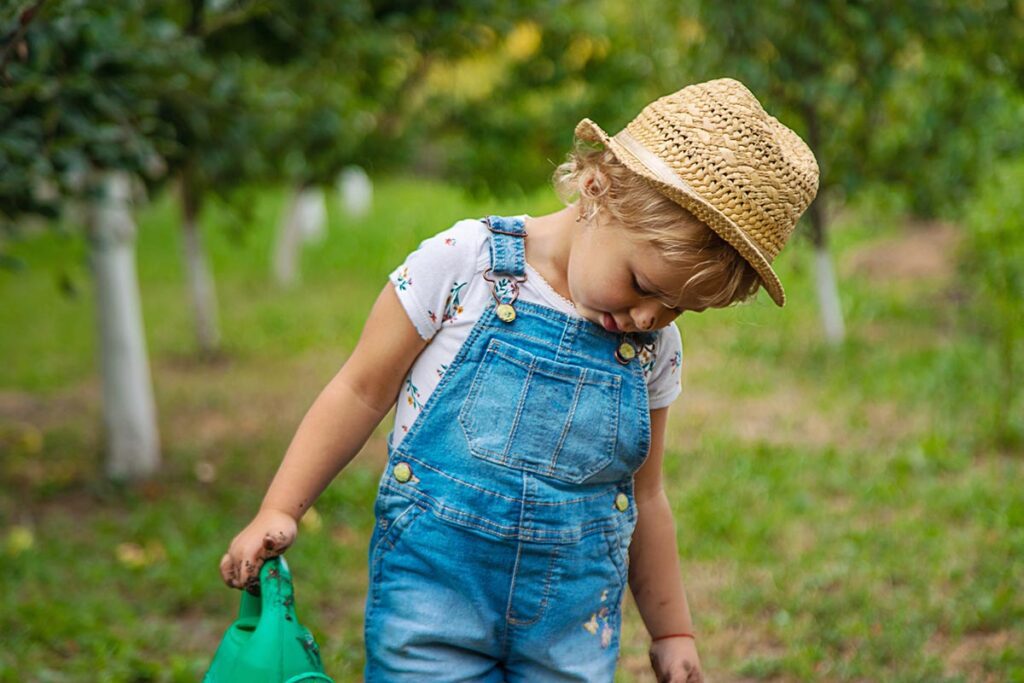
Just because a piece of children’s clothing has tags that say it’s eco-friendly doesn’t automatically mean it’s. To ensure eco-friendly kids’ clothing, you need to check a few things to be sure. Eco-friendly kids’ clothing trends have caused many false advertisements to pop up.
Look for Certifications
The best way to identify eco-friendly kids’ clothing brands is to check the tags. Clothing that bears only certain certification tags is a genuine article. There are numerous certifications available, and some are specific to particular countries. Here are a few that are globally recognized, so you can trust them.
The first and most well-known one is GOTS or the Global Organic Textile Standard. This is the global standard for organic fabrics. Any piece of clothing with this tag indicates that it’s made from sustainable, organic fabrics.
Next is the Oeko-Tex certification. Clothing with this tag means it was made without the use of any harmful chemicals. It’s an important tag to look out for because kids are extremely sensitive to certain chemicals.
Finally, there is the Fair Trade Certified tag. This one, while not strictly related to environmental issues, is still important. The certification ensures that the clothing is produced following fair wages and employee standards, thereby guaranteeing that no unfair labor practices were employed.
Check Brand Transparency
If you aren’t sure about the brand you’re buying kids’ clothes from, then I strongly suggest you don’t. Reputable brands aren’t afraid to share information about their manufacturing and distribution processes because they know they have nothing to hide. But other brands aren’t as brave.
Information like supply chain, factory conditions, and material sources can be easily found for big-name brands. This level of brand transparency makes it easier for consumers to trust the brand and their products.
Avoid Greenwashing
Just because the information is available doesn’t mean you should trust it easily. Do your research and verify as much as possible about the brand and its product. Only ones you are sure should you make a purchase.
There is a lot of greenwashing, or false information about a brand being sustainable, circulating nowadays. That’s why I ask you to trust but verify. If the information you find isn’t credible, then it might be greenwashing and, as such, should be avoided.
Best Eco-Friendly Kids Clothing Brands in 2026
It might seem like I’m telling you not to trust any big-name brands, but I’m not. In fact, here are some brands that I know are following the latest eco-friendly kids’ clothing trends. Each of them is at the top of their game and sustainable.
- Patagonia: This is one of the best sustainable brands out in the market. They are using recycled materials and are also Fair Trade Certified.
- Primary: A more affordable choice for parents who are still using organic cotton for their kid’s clothing collection. They are well-known for their gender-neutral collections.
- Tiny Cottons: This European brand offers a stylish, sustainable collection of kids’ clothing.
- Hanna Andersson: Their collection of organic cotton pajamas and basics is very popular. They offer longer-lasting, durable kids’ clothing that looks amazing.
Tips for Maintaining and Extending the Life of Kids’ Clothes
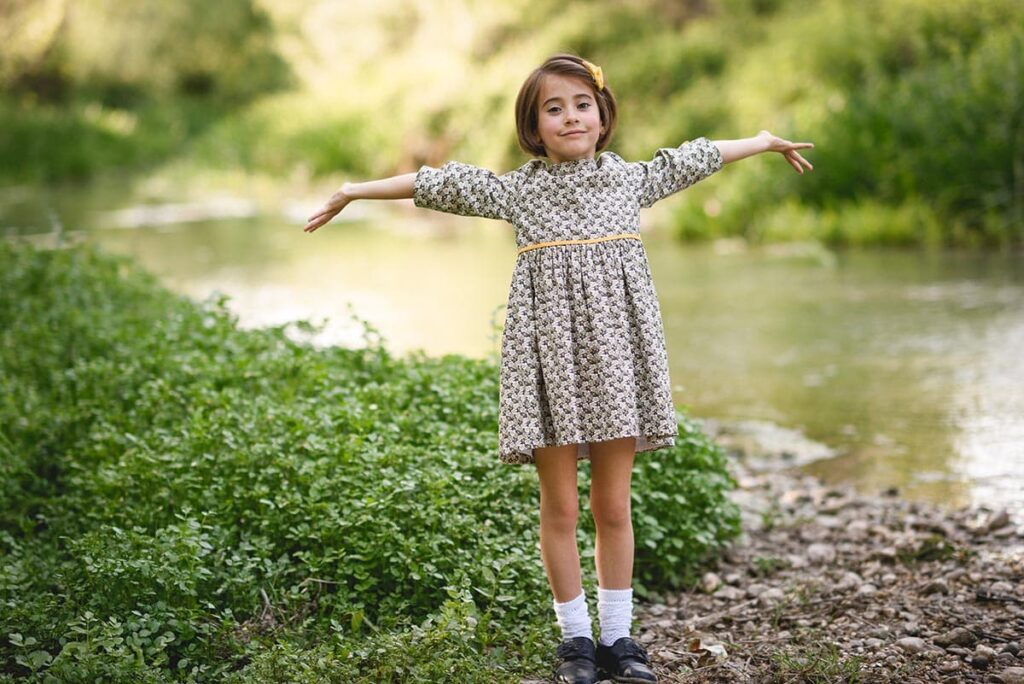
Since you are following eco-friendly kids’ clothing trends, you need to know how to care for them. These clothes, while being durable, aren’t indestructible. They need to be properly maintained to extend their lifespan.
Proper Washing and Care
Eco-friendly clothes are made from organic fabrics; thus, they are more delicate. So, to properly clean them, you need to wash them in cold, not hot, water. Additionally, they should be washed with eco-friendly detergents, as they don’t contain harsh chemicals.
Never dry these clothes in the machine, as it’s too hot and may damage the clothes instead. Air-drying is the best option for these clothes. It will take longer, but the natural method is the best option.
Repairing and Upcycling
As I mentioned, eco-friendly clothes aren’t indestructible, so they will wear out eventually. When that time comes, you can either repair the clothes or upcycle them. Either process will mean that a piece of clothing will last longer and not end up in the landfill sooner.
Responsible Disposal
If the clothes have gone past the point of no return, rather than throwing them out, find alternatives. There are other ways to make use of worn-out clothes; for example, they can be cut up and used as rags.
On the other hand, if the clothes aren’t too worn out but your kids can no longer wear them, then they can be donated. There are families out there that don’t have enough clothes to wear. So, donate your gently used kids’ clothes.
Frequently Asked Questions (FAQs)
Why is organic cotton better for kids?
Organic cotton is grown without synthetic pesticides, GMOs, or toxic chemicals, making it gentler on sensitive skin and safer for babies and toddlers. It’s also more breathable and hypoallergenic than conventional cotton, reducing the risk of rashes and allergies. Additionally, GOTS-certified organic cotton ensures eco-friendly farming practices, supporting soil health and water conservation making it a sustainable choice for conscious parents.
Are eco-friendly kids’ clothes more expensive?
While sustainable kids’ clothing often has a higher upfront cost, it’s typically more durable and long-lasting, saving money over time. Many brands offer affordable organic cotton basics, and shopping second-hand or during sales can make eco-friendly fashion budget-friendly. Investing in high-quality, non-toxic fabrics also means fewer replacements, reducing overall spending while protecting your child’s health and the planet.
How can I verify if a brand is truly sustainable?
Look for third-party certifications, such as GOTS (Global Organic Textile Standard), Oeko-Tex, or Fair Trade, which ensure the use of eco-friendly materials and the implementation of ethical labor practices. Check the brand’s transparency in sourcing, manufacturing, and carbon footprint. Avoid vague terms like “green” or “natural” without proof real sustainability involves traceable supply chains, recycled materials, and low-impact dyes. Reading customer reviews and brand sustainability reports can also help confirm credibility.
What should I do with outgrown eco-friendly clothes?
Instead of throwing them away, donate gently used kids’ clothes to local charities, shelters, or thrift stores. You can also sell them on platforms like ThredUp, Poshmark, or Facebook Marketplace. For damaged items, consider upcycling them into rags, quilts, or DIY crafts. Some sustainable brands offer take-back programs to recycle old garments into new fabric, supporting a zero-waste fashion cycle and reducing landfill waste.
Conclusion
Eco-friendly kids’ clothing trends aren’t just about clothes made from organic fabrics. In fact, some trends aren’t even related to clothes made from sustainable materials. If brands are following Fair Work standards, it is also part of the trend. To ensure you’re buying eco-friendly clothes for your kids, check the certification, verify the brand’s transparency, and avoid greenwashing marketing tactics. With the latest trends in sustainable fabrics and brands, going green has never been easier or more stylish.