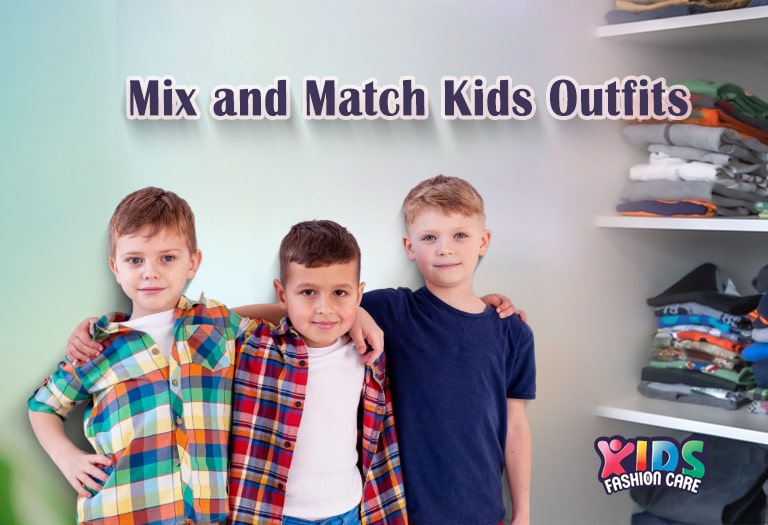

Who says kids’ fashion has to be complicated? Mix and match outfits make dressing fun, easy, and budget-friendly! With a handful of mix-and-match staples—think tees, jeans, and cozy layers—parents can whip up cute looks in seconds. Less laundry, more creativity, and zero stress. Time to mix it up!
Table of Contents
A common trouble that all parents face is dressing their kids. No kid wants to dress the same as we adults might. That means it can be a hassle every day to create new and exciting looks for our kids. However, there is one way to do so: mix and match kids’ outfits.
Essentially, you will use essential items from your kids’ wardrobe to create tops, bottoms, layers, and footwear. This will help you create coordinated looks that are exciting, using only what’s available.
Along with creating unique looks, I will share tips on storing all the essentials in an organized manner. I will also share how to buy all the essential kids’ clothing you will need at an affordable price.
Why Mix and Match Kids Outfits Are a Game-Changer
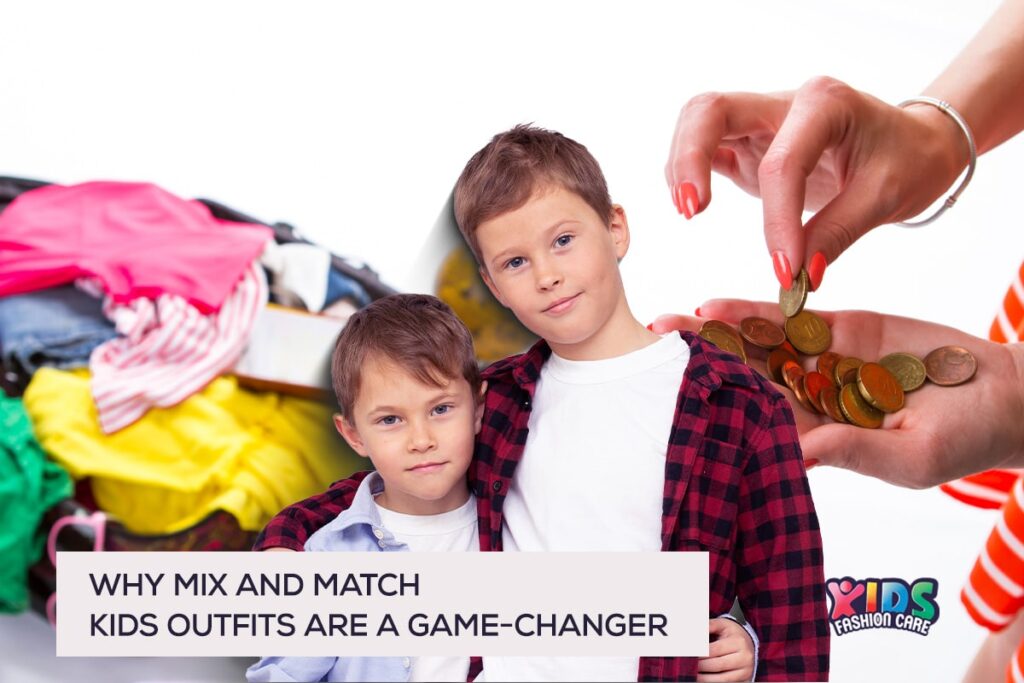
Why is it important to mix and match kids’ outfits? That’s an easy answer! Because this technique is easy and simple to implement and creates great looks. There are other reasons as well.
Saves Money
Wouldn’t you think that creating great looks for kids with little clothing is amazing? Of course! Given how much it costs to buy a few simple pieces of clothing, getting more use out of one piece is the main goal.
By mixing and matching kids’ outfits, parents can dress their kids with just a few pieces of clothing in many ways. This eliminates the need to buy new clothes more frequently, saving money.
Encourages Creativity
Working with limited amounts of resources isn’t a bad thing. It prompts parents to think more creatively and create looks they might not have considered before. When you mix and match kids’ outfits, you aren’t just trying to make it work with a few pieces of clothing. In fact, in most cases, mixing and matching is all about experimenting with kids’ fashion.
By mixing and matching, I have learned a lot about what my kids like to wear and what they don’t. I also learned a lot about colors and patterns that complement my kids and different styles of coordinated looks I can create.
Simplifies Organization
The less you have to work with, the less you need to organize. This is something I learned when I mixed and matched kid’s outfits. By having the essentials of kids’ clothing, I didn’t need to worry too much about cleaning and storing everything.
Since there wasn’t much to store anyway, I could get away by using a single capsule-style kids’ wardrobe. Now that my kids are older and are dressing themselves, they have more storage, but I still have fond memories of that wardrobe and how hassle-free it was before.
Essential Pieces for a Mix-and-Match Kids Wardrobe
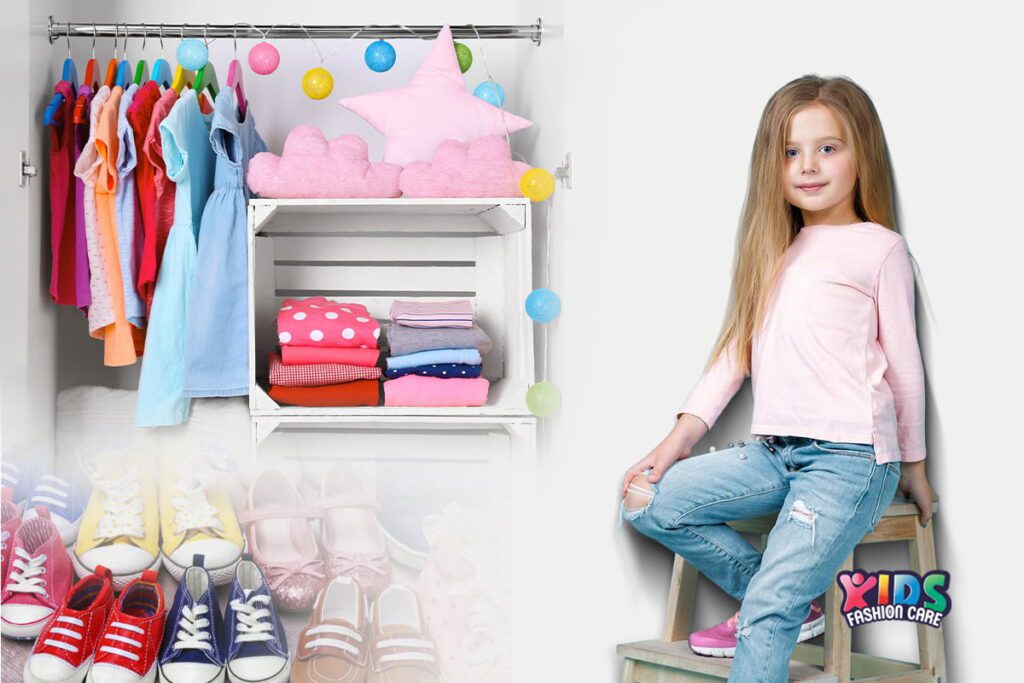
Before you can mix and match kids’ outfits, you need to know which are the essential pieces for kids’ wardrobe. These essential pieces are what will allow you to create kids’ trendy looks all on their own.
Basic Tops
Starting with the tops, parents opt for neutral-colored tops that are also quite versatile, allowing them to get the most out of them. Basically, pick the ones that you know will work with all the bottoms you have in your kids’ wardrobe.
My first picks are classic-colored tops such as T-shirts in white, black, gray, and navy. The colors do seem quite basic, but that’s what we are going after. Striped or subtly patterned tops are next, as they break the monotony of the first choice. And at last, I suggest long-sleeve shirts for the colder months, as they are ideal for layering.
Versatile Bottoms
Along with tops, your kids also need to wear some bottoms. Keep your choices durable, comfortable, and neutral to get the most out of them when paired with the tops. While the choice of bottoms is entirely up to the parents, I do have three suggestions which everyone will agree with.
First, jeans are the universal symbol of versatility. A good pair of jeans, especially dark wash ones, will complement any choice of top and layering. Next to jeans, parents should also bring a couple of pairs of black or gray leggings for their action-prone kids. The leggings are comfortable, and washing them in the machine is easy. Lastly, some neutral-colored shorts or skirts will work wonders for young kids’ school outfits.
Layering Pieces
Layering is an excellent option for mixing and matching kids’ outfits. The option allows parents to add extra touches to their kids’ outfits for an added look, feel, and statement. Layering is highly recommended for kids when the weather gets colder, and protection is needed.
Some of the must-haves for layering options are basically clothes that are thicker or warmer. A common choice is denim or fleece jackets because they are casual and versatile. Along with jackets, cardigans and hoodies are also good choices. Hoodies are something slightly older kids love to wear more often. Vests are a more formal choice for layers because they add a touch of maturity, but I tend to love having my kids wear them.
Footwear and Accessories
No outfit will ever be complete without appropriate footwear because how else will kids be able to move outdoors. Accessories are also encouraged when you mix and match because they can bring the whole outfit together.
For footwear, start with durable and functional sneakers in basic colors and patterns. White is what others will suggest, but go with black because dirt and soil won’t be super visible on it. Boots or sandals are more of a seasonal thing, but get a pair of each just in case the kids need them.
In terms of accessories, I wouldn’t suggest anything particular, as the basics are enough for young and slightly older kids. By basics, I mean things like hats, scarves, and sunglasses. Whatever you choose, ensure it complements your kid’s and the outfit’s personality.
How to Create Coordinated Outfits
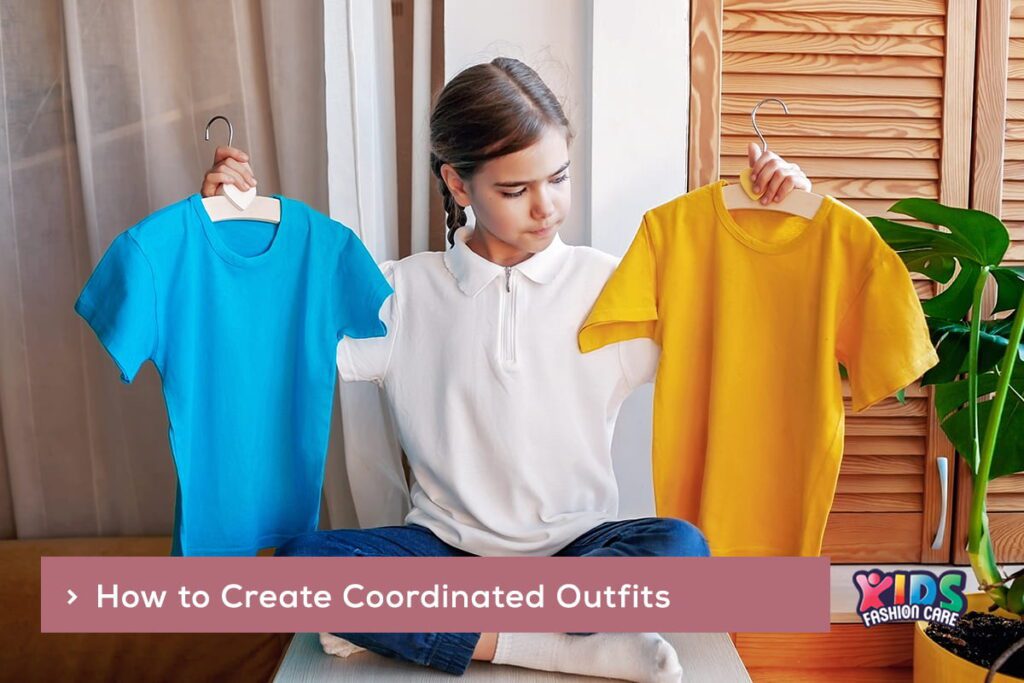
Having all the essential pieces of clothing means you’re ready to mix and match kids’ outfits as you like. Here are some tips to help you create coordinated outfits that look fresh on the kids.
Color Coordination Tips
While you might think that just putting on any colored clothes for the kids is good enough, trust me, it’s not. Kids need to wear clothes that are color-coordinated and have meaning. For that reason, I have some tips on color coordination that will help you out.
Follow the 60-30-10 rule to start. The rule states that 60% of an outfit should feature a shade of neutral color, the next 30% should comprise secondary or soft colors, and the final 10% can be any accent or bold color. This mixture will ensure coordination and will be complementary.
With the changing seasons, parents need to adjust their kid’s outfits. In the summer and spring, the main colors should be pastel, and in the winter and fall, they should be earthy. Avoid clashing colors, even if you think it will work. Add some neutral tones if you plan to incorporate bold colors to maintain balance.
Pattern Mixing Without Clashing
Patterns are supposed to be fun, but going overboard destroys the look of an outfit. Complement the patterns rather than competing with them. I’ve applied some principles of these to write the following, which should give you an idea of what I am talking about:
Pair small patterns, such as dots and stripes, with more solid patterns that complement each other. The look will be more balanced and not monotonous. Those who are thinking of going with bolder patterns should avoid mixing clothing with two or more different patterns, as it will clash harshly. Go with one big and one or more smaller patterns to make the outfit less jarring to look at.
Seasonal Outfit Ideas
Since different seasons have distinct looks that accompany them, parents need to keep an eye on that. It gives you a start; I have 2 thoughts about how this can be applied for summer+ spring and winter+ fall! Follow them and build on them later to add your own preferences and those of your kids, making them unique to you.
For the summer and fall seasons, my first idea is pairing striped tees with denim jeans and black sneakers. The striped pattern is strong on its own, so the jeans and sneakers are there to add color and complete the look.
The second idea is a floral sundress paired with a lightweight cardigan and sandals. Again, the floral pattern is strong on its own, so the other two parts serve to provide color coordination and balance.
In the fall and winter seasons, I suggest pairing long-sleeve graphic tees with black leggings and ankle boots. The graphic tees are good enough to capture people’s attention, and the leggings will balance the outfit. The boots will be a good touch to give the look some strength. You can also opt for hoodies, jeans, and a puffer jacket for the same effect but in a different way.
Storing and Organizing Mix-and-Match Outfits
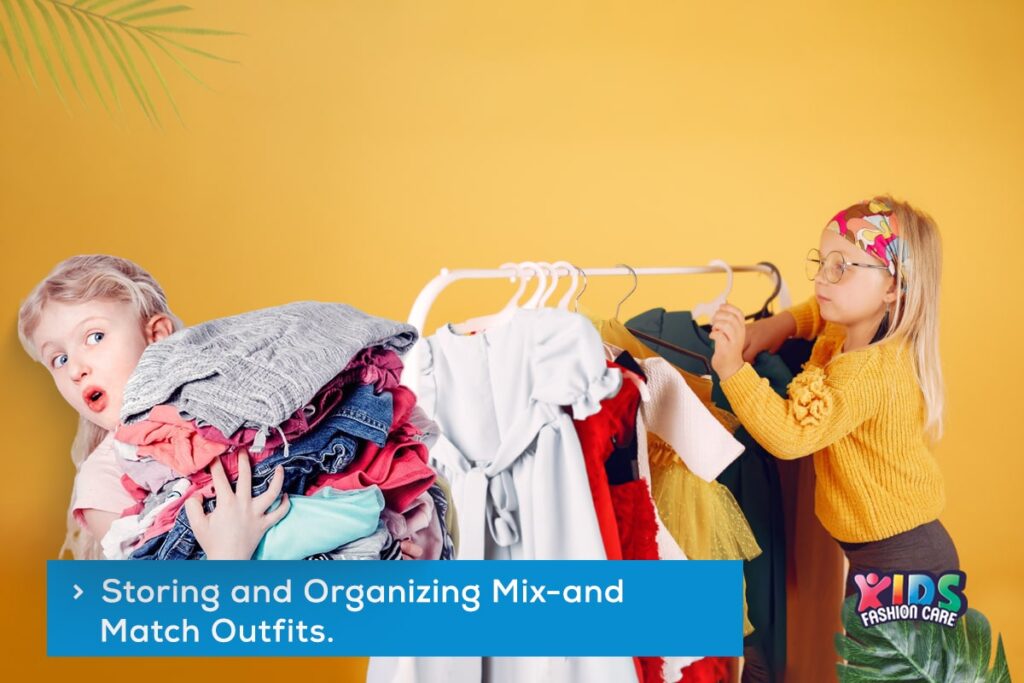
Since you have purchased the essential pieces to mix and match kids’ outfits, you also need to store them accordingly. Right? Of course, here are some tips I have that will help you do just that.
Closet Organization Tips
Whether you have a closet or a wardrobe, the organizational tips I will share will work the same. The main idea is to make mixing and matching these outfits as effortless as possible for you.
The thing I have found to work the best is organizing the clothes by category. For example, storing all the tops or bottoms together makes it easier for me to pick and choose each one. All categories will be divided to minimize the chance of a mix-up.
Using drawer dividers is also recommended for socks, tights, and accessories. So that no piece is mixed with another and you don’t have to go through all the drawers to find one piece. If there are pieces that you or your kids favor a lot more, I suggest hanging them at the top. This way, the pieces will be easily accessible.
Rotating Seasonal Pieces
With the coming and going of different seasons, certain clothes need to be stored for extended periods. Storing these pieces can be a hassle if you’re unsure of where to put them.
The idea I go with when storing off-season clothing is to either vacuum-seal them in bags or store them under my kids’ beds. Essentially, you need to ensure that the clothes are stored in a place that’s not too dark or damp. That way, they won’t smell when you unseal them.
Add a capsule wardrobe in the kids’ closet to organize their seasonal clothes separately from the rest of their clothes. This way, you can mix and match kids’ outfits seasonally without having to do a lot of extra work.
Budget-Friendly Shopping Tips
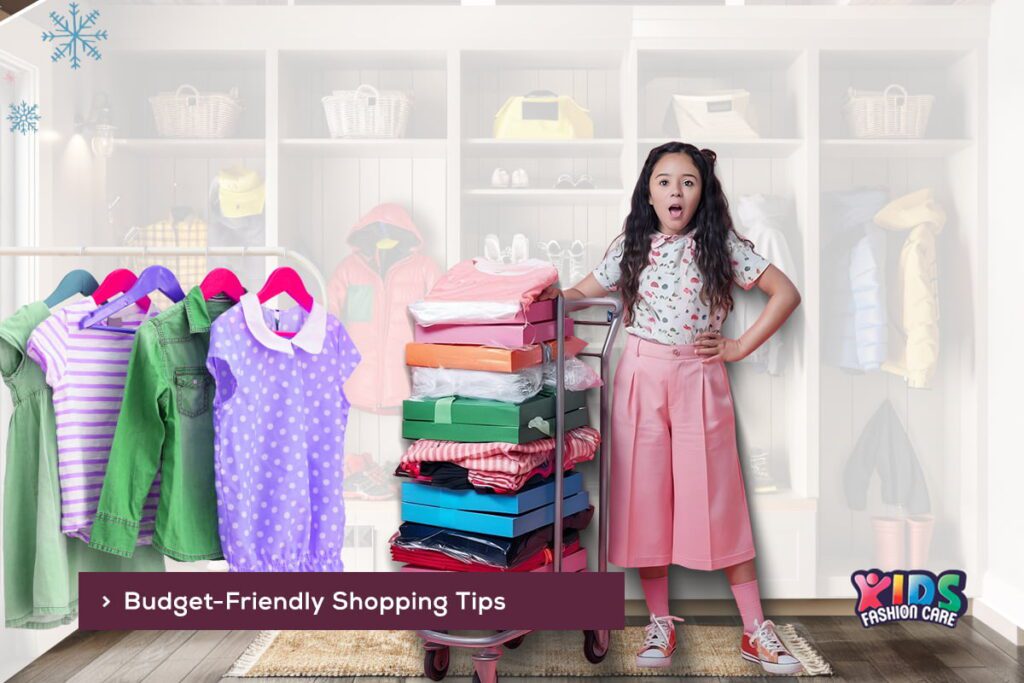
As I mentioned at the beginning, kids’ clothing has become quite expensive. This is why mixing and matching kids’ outfits is the affordable way to go. However, you still need to buy some children’s clothing, as kids grow so quickly. Here are some tips I have followed for budget-friendly kids’ clothing shopping.
Thrifting and Hand-Me-Downs
My first suggestion is to visit a thrift shop, where you’re sure to find amazing, fashion-on-trend, gently used kids’ clothes. These will cost you less to buy and still work to create fashionable looks for the kids.
Set up some clothing-swapping events with other parents you know to swap clothes with them. I have done it a few times and enjoyed it a lot. You get to know other parents more and have a fun time swapping clothes. Since it’s a community event, no money will be spent except for the food and drinks, which is a major plus in my mind.
Best Stores for Affordable Kids’ Fashion
My suggestions for where you might find affordable kids’ clothing are a mix of online and physical retail stores. Each of them will have a wide collection of kids’ clothing, both seasonal and casual, that will be on trend.
Old Navy, H&M and Target are the top picks for kids’ clothes that’ll cost a little more. But not to worry, both the shops are known for giving discounts time and again so that you can purchase it at a lower rate. Option to number one is another version of the above, in an option that offers more solid colors when it comes to children’s clothing.
For online choices, I have ThredUp and Amazon. Both, latter more so, offer an insanely large collection of kids’ clothes. I doubt that you will ever encounter the issue of not finding what you were searching for.
Frequently Asked Questions (FAQs)
How many pieces do I require for a utilitarian mix and match kids’ wardrobe?
An efficiently established kids capsule wardrobe consists of about 5-8 tops, 5-7 bottoms and 3-5 layering pieces to create endless combinations. Look for neutral colors, stretchy fabrics and timeless styles that will flex with your child. This cuts down on clutter and means that kids can have a range of seasonless looks to wear for school, playdates and even more dressy occasions.
What colors are best for a versatile kids’ wardrobe?
Keep it simple with neutrals (white, black, gray, navy or beige) as your base and then inject a couple of accent colors—like olive green, blush pink or mustard yellow—for variety. Neutrals guarantee ease of matching — accent shades such as pastels for spring or earthy tones for fall keep outfits fresh. Second, retarded super bright or fighting colors are not a good option for closet matching.
How can I get my child interested in picking out mix and match clothes?
Empower them by allowing them to pick their own favorite colors, patterns or even a theme (dinosaur! floral!) as long as you steer toward complementing scales. Use visual aids like Pinterest boards or layout pre-matched outfits to teach color pairing and seasonal styling. This builds confidence and reduces morning battles over clothes.
Can mix and match work for school uniforms?
Yes! Many schools allow students to mix and match uniform pieces from a list of options, such as navy shorts, khaki skirts and polo shirts, in designated colors. Combine with neutral bottoms and alternating tops (white and navy polos), or throw in the approved layers (cardigans, vests) for variety. This method ensures uniforms remain practical and on trend, or at least comply with the dress code.
Conclusion
One way to mix and match kids’ clothes correctly is to have a small yet solid combination of essential pieces on hand. Tops, bottoms, layers, and footwear are the basic ones you will need. Use a variety of ways to mix and match the collection to create unique and fresh looks for your kids.
Coordinate the colors and layers according to the season to ensure a balance in the look you have created. Would you dare mix-and-match your child’s wardrobe? Tell us your go-to outfits in the comments!